
The giant methane cloud spotted by satellite over the U.S. Southwest that made national headlines in 2014 wasn’t a persistent, undiscovered “hotspot” as first thought, but the result of a nightly ...
The giant methane cloud spotted by satellite over the U.S. Southwest that made national headlines in 2014 wasn’t a persistent, undiscovered “hotspot” as first thought, but the result of a nightly ...

Artificial intelligence is opening new doors to Earth system modeling, and two recent studies demonstrate how AI can enhance our understanding of climate variability.
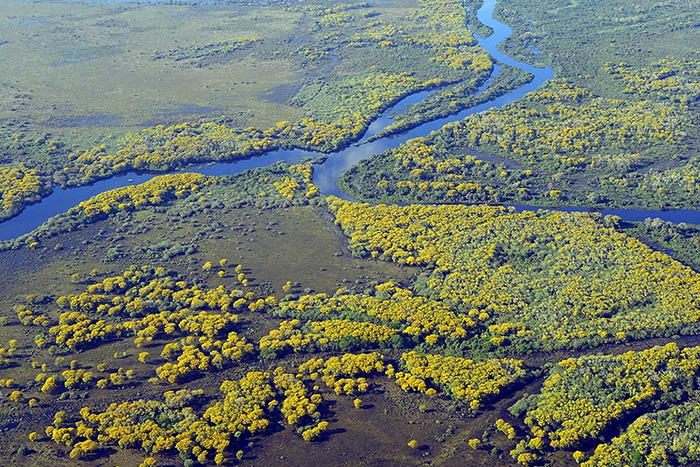
A recent study reveals that microbes, rather than fossil fuels, have been driving the surge in global methane emissions since 2020.
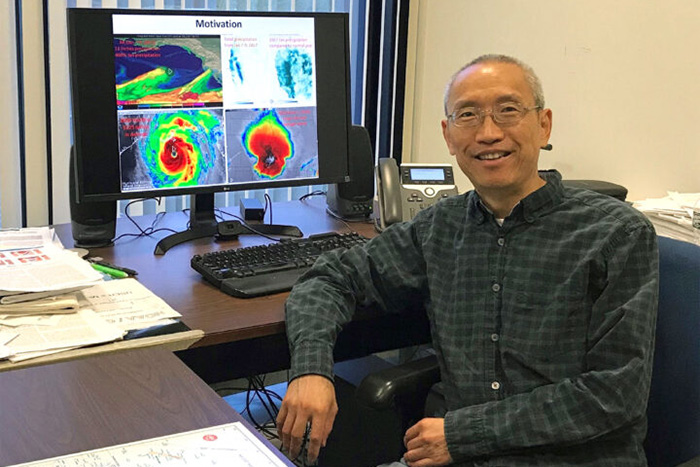
GFDL Physical Scientist Ming Zhao has been awarded the 2022 American Geophysical Union’s Ascent Award for his “growing research accomplishments and leadership in climate model development.” Zhao conducts research focused on challenging topics with societal and economic implications while also developing climate models.
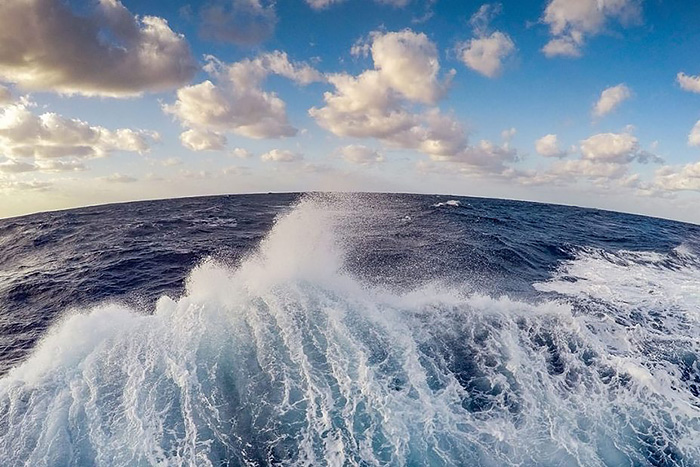
Cloud-computing technology that improves climate prediction counts among the NOAA’s successful technology partnerships in 2022.
A study partially funded by CPO's Sectoral Applications Research Program and published in the Journal of Hydrometeorology found after simulation experiments that climate variability phenomena can ...
A study partially funded by CPO's Sectoral Applications Research Program and published in the Journal of Hydrometeorology found after simulation experiments that climate variability phenomena can ...
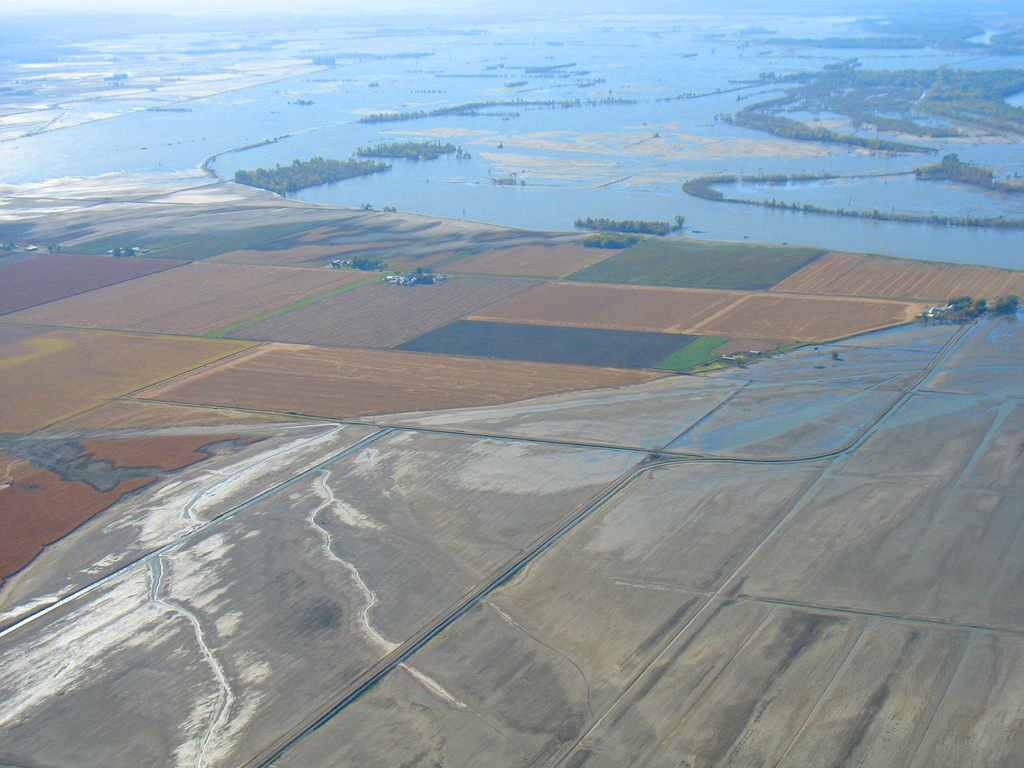
In the wake of historic flooding along the Missouri River in spring and summer 2011, NOAA scientists are exploring how climate patterns like La Niña and others can set the stage for floods or drought in the Northern Rockies and the Upper Great Plains.

Researchers have found that late-20th-century hurricane frequency aligns statistically with patterns seen over the past thousand years, challenging common assumptions about recent trends.