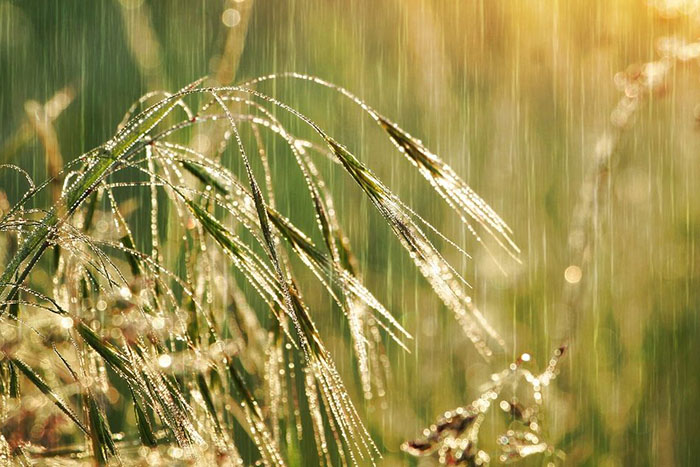
Raindrops that are cooler than the ground they land on have a cooling effect, one often omitted from weather models. A new study finds that this effect in India can reduce overall rainfall.
Raindrops that are cooler than the ground they land on have a cooling effect, one often omitted from weather models. A new study finds that this effect in India can reduce overall rainfall.
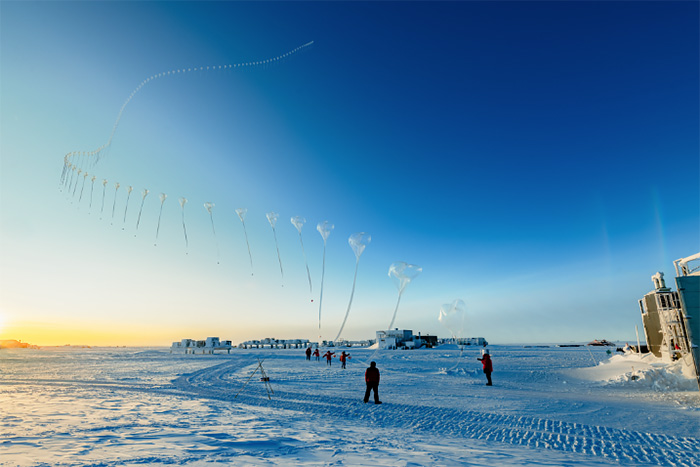
A new United Nations report confirms that the recovery of Earth’s protective ozone layer is on track, and that the Montreal Protocol, the international treaty that guides the phase-out of ozone-destroying chemicals, has had the additional benefit of slowing global warming.
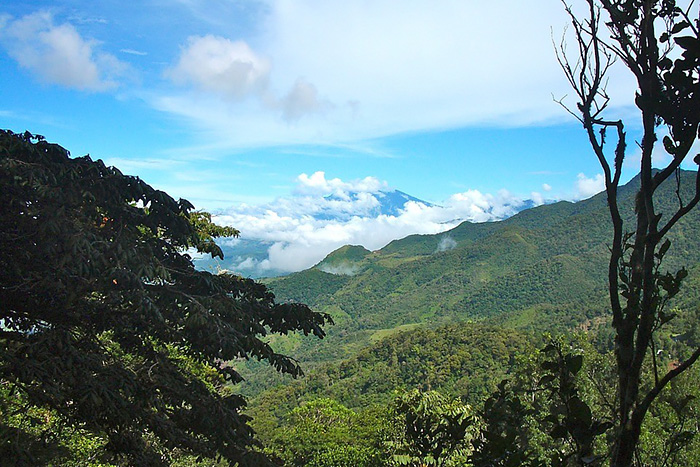
A new study finds that raising modeled mountains reduces modeled rainfall biases. By underestimating the height of mountain ranges, climate models have shown biases in their representation of the Intertropical Convergence Zone (ITCZ), a tropical rainband that delivers significant precipitation.

A CLEAN manuscript has been accepted for publication in the Journal of Geoscience Education theme issue on climate literacy. In recent years various climate change education efforts have been ...
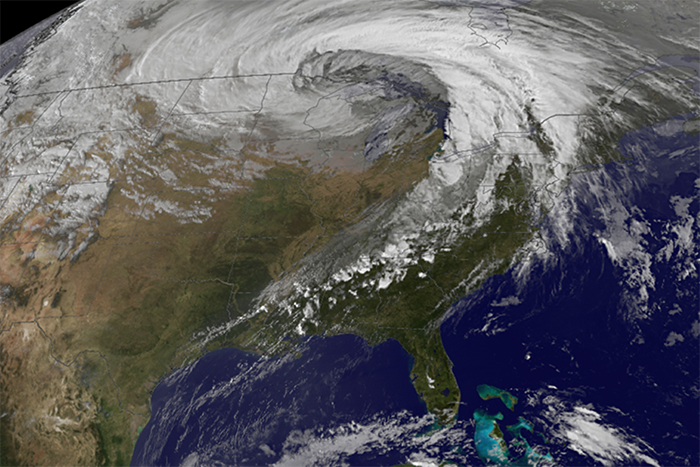
In winter, extratropical cyclones (ETCs) bring risky weather: heavy rain and snow, and strong winds. New research will employ advanced climate models to predict how ETCs might change in the future.
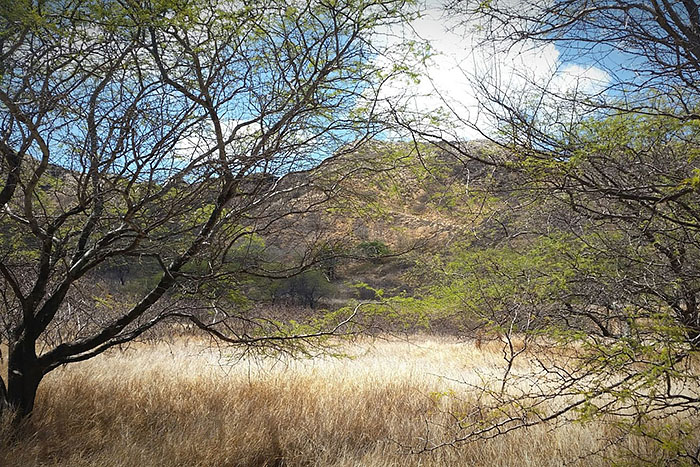
What’s behind the recent droughts in Hawaii? A new study using NOAA’s primary weather-prediction model shows what can—and cannot—be inferred from available data. Not every event has an apparent and simple “first cause.”
Larger than Vermont, an underwater seascape of cold-water coral mounds offshore the southeast United States coast has been deemed the largest deep-sea coral reef habitat discovered to date, according to a paper recently published in the scientific journal Geomatics.
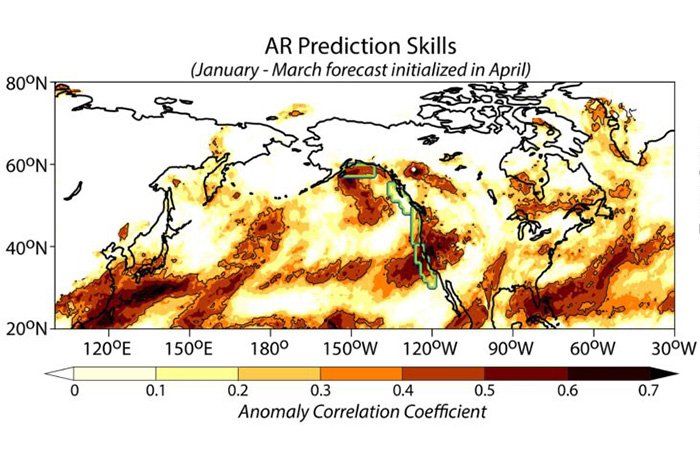
A new study uses GFDL’s SPEAR seasonal-to-decadal forecast system to produce multi-seasonal atmospheric river frequency forecasts with predictive skill at least nine months in advance.