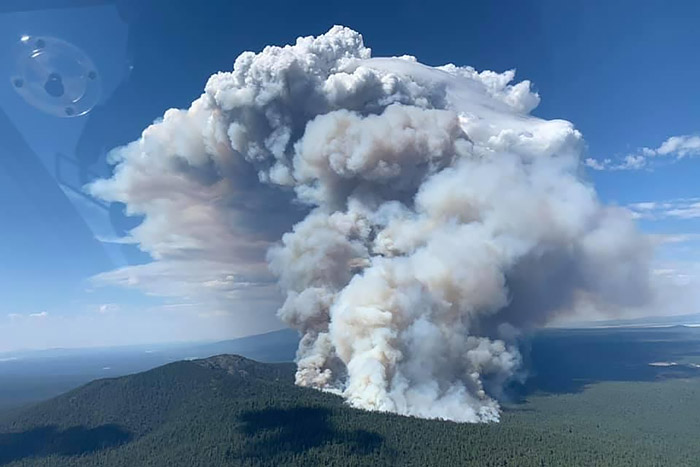
A new fire emissions inventory, providing publicly available data on trace gases and aerosols from global fires for the years 2002 through 2021, add improvements to previous inventory.
A new fire emissions inventory, providing publicly available data on trace gases and aerosols from global fires for the years 2002 through 2021, add improvements to previous inventory.

The framework could help managers better assess, anticipate, and mitigate potential impacts of extreme warming events on wildlife health .
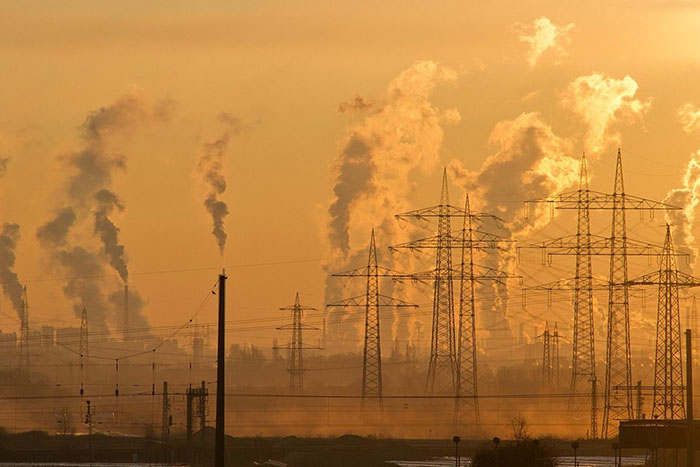
New projects will improve understanding of atmospheric methane budgets to inform successful policies for reducing greenhouse gas emissions, address major sources of uncertainty in methane measurements and modeling, and reduce community-level methane emissions.
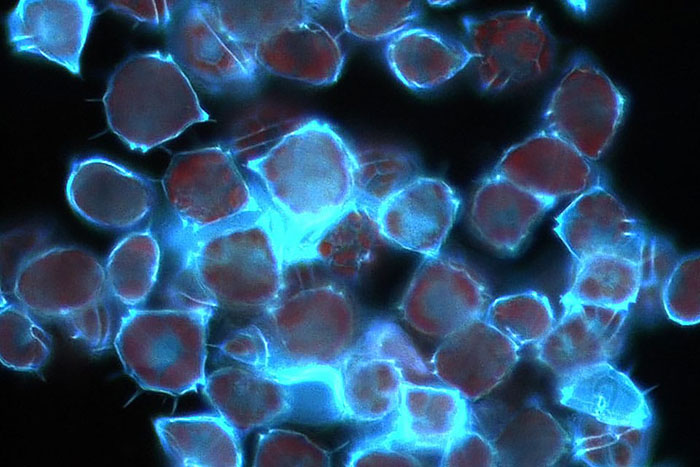
As the base of the marine food chain, plankton connect climate and fisheries. Climate researchers predict that warming oceans will shift plankton communities, but these tiny organisms are challenging to study. A new project is developing a robust global plankton database.
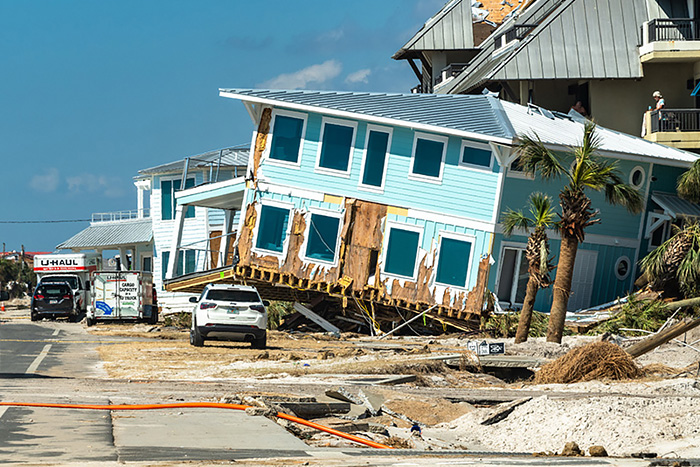
A newly published study draws on a reanalysis project supported by NOAA’s Climate Program Office. Recently published in Nature Scientific Data, the study creates a new database of reconstructions for past global storm surges—one of the deadliest coastal hazards.
Thanks to the newest round of Watershed STEM Education Partnership Grants, students in 17 states will have increased access to science, technology, engineering, and math (STEM) education centered on…
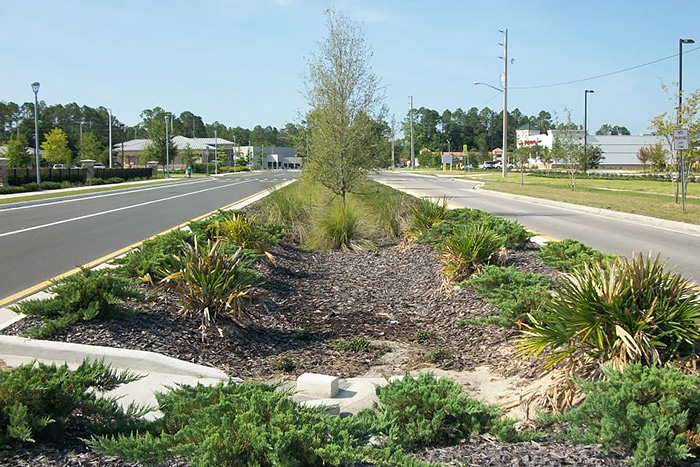
Green infrastructure mimics natural processes and can mitigate impacts of urban development and climate change, but uncertainties remain about its effectiveness. A new open-source tool may help decision makers.