
The NOAA Climate Program Office’s Sectoral Applications Research Program (SARP) created a story map to describe how NOAA research is trying to better understand atmospheric rivers, their impacts on …
The NOAA Climate Program Office’s Sectoral Applications Research Program (SARP) created a story map to describe how NOAA research is trying to better understand atmospheric rivers, their impacts on …
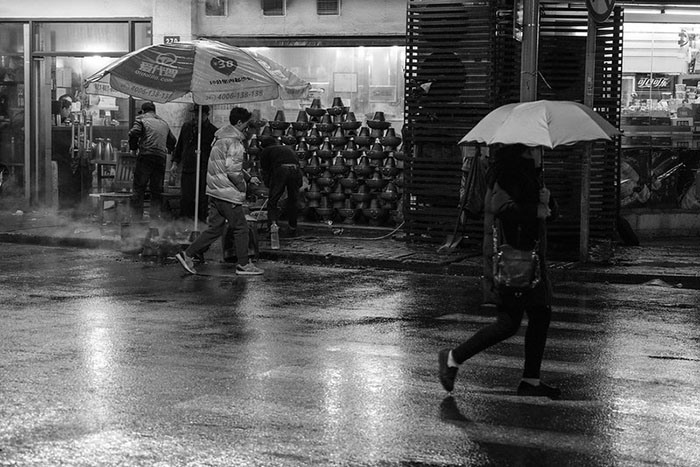
In recent winters, extreme, prolonged precipitation has caused structural damage and economic losses in South China. A new study has identified circulation patterns that cause and enhance precipitation over South China during winter.
The National Academies recently began a new study, largely sponsored by CPO’s Atmospheric Chemistry, Carbon Cycle, and Climate (AC4) program , to improve tracking of human-caused methane emissions …
The authors recommend that boundary organizations wishing to develop knowledge co-production capacity know their audience, employ trusted experts in boundary spanning, and engage in frequent ...

New research shows Staghorn Coral may prove resilient to a single environmental stressor, but prove less resilient when facing a combination of stressors simultaneously.
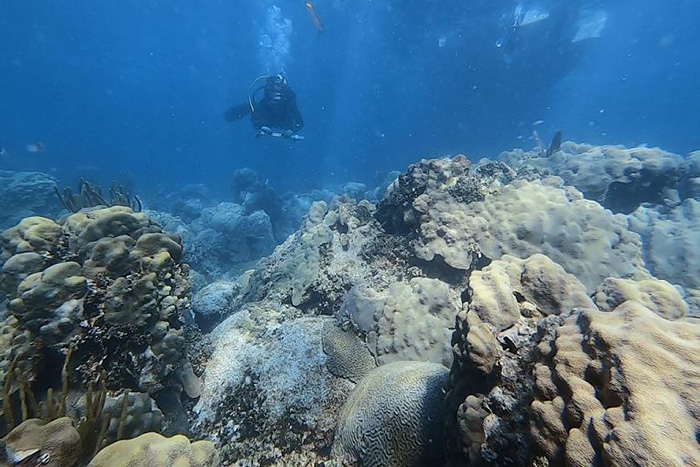
Coral scientists have developed a new modeling approach for evaluating coral reef persistence under climate change scenarios. Aiming to improve coral restoration efforts, this new user-friendly framework aims to address the increasing vulnerability of these vital ecosystems.
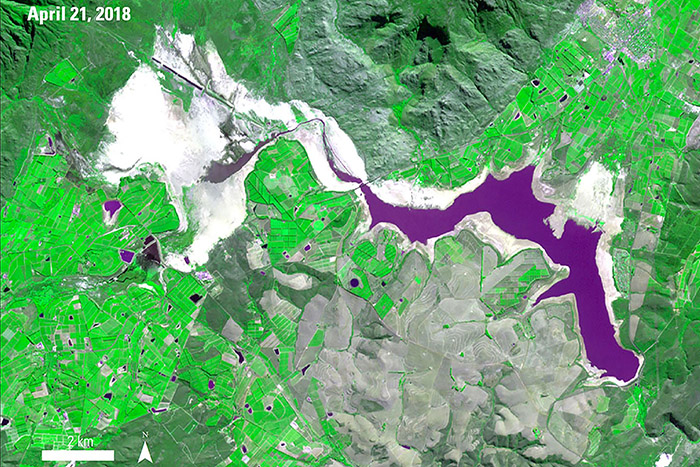
Cape Town, South Africa, was one of the world’s first major cities to nearly run out of water, in 2018. A new study examines how changes in the Agulhas Current may affect future South African rainfall.
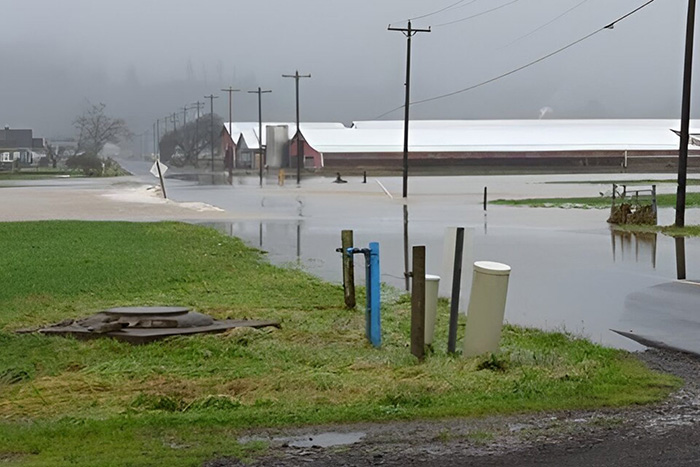
A new groundbreaking project explores the vital role of trust in fostering community acceptance of flood prevention strategies, particularly in coastal areas vulnerable to flooding.
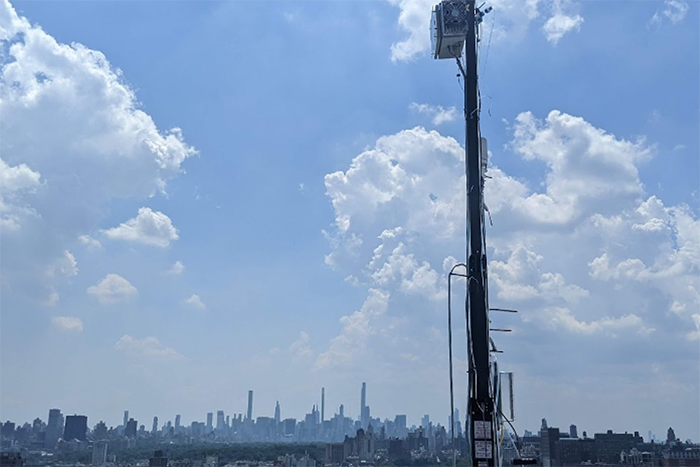
A new study finds that most of New York City's organic pollutants come from secondary sources; they are created through chemical transformations in the atmosphere rather than emitted directly from a source.
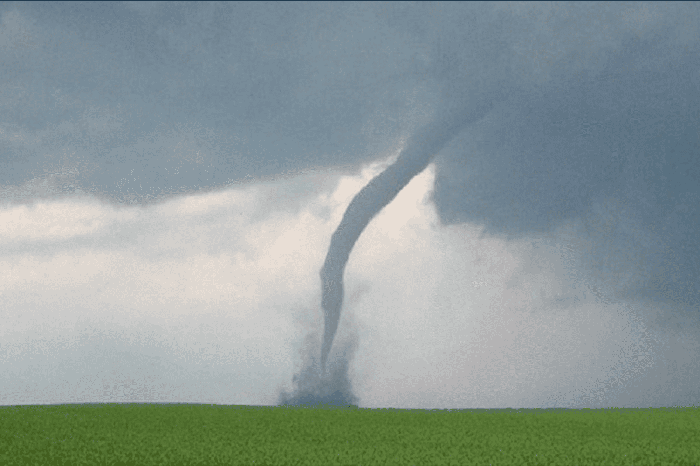
In December 2021, our nation’s most destructive winter tornado outbreak caused 89 fatalities and 672 injuries. New research finds the outbreak occurred under a prolonged negative Pacific-North American pattern.