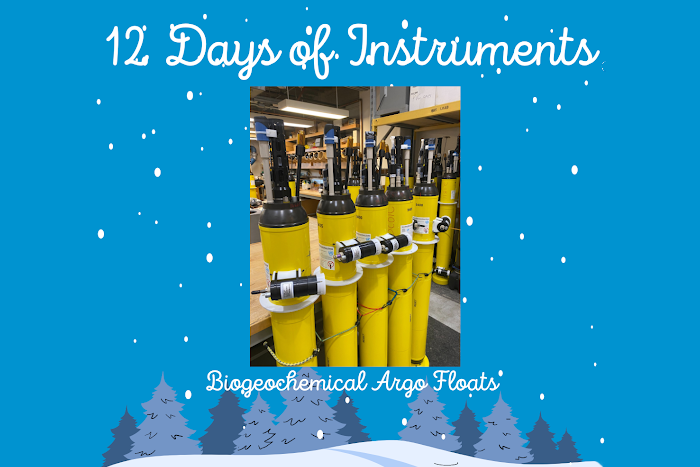
An environmental DNA sampler, an underwater glider, a saildrone, and some floats are among the instruments highlighted in NOAA’s 12 Days of Instruments.
An environmental DNA sampler, an underwater glider, a saildrone, and some floats are among the instruments highlighted in NOAA’s 12 Days of Instruments.

For Fiscal Year 2024, NOAA has requested $6.8 billion in discretionary appropriations, an increase of $450.5 million from the FY 2023 enacted budget. The FY 2024 request includes an additional $80.2 million to implement Executive Order 14008, Tackling the Climate Crisis at Home and Abroad.
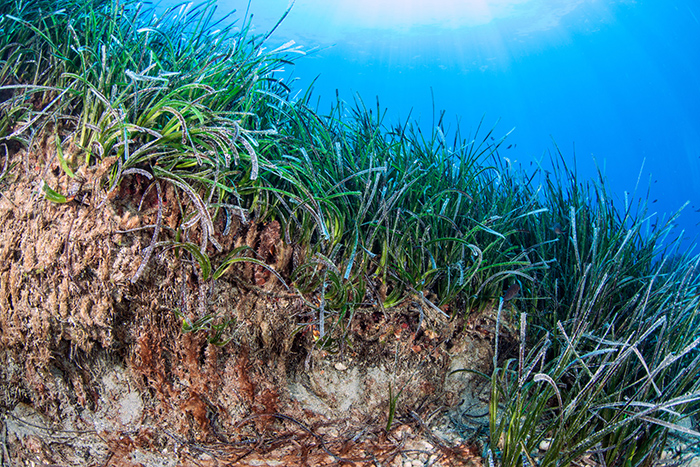
NOAA Administrator Dr. Rick Spinrad will participate in “Partnerships to Accelerate Action to Protect Blue Carbon Ecosystems for Mitigation and Adaptation” at COP27, on Tuesday, November 15.
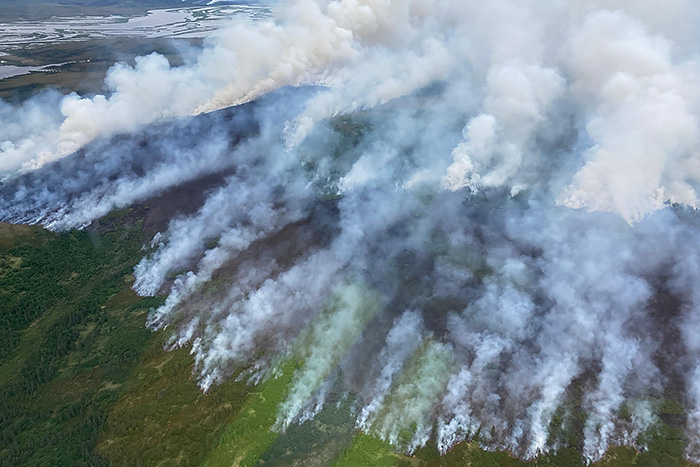
Sparked by lightning on May 31, the East Fork Fire spread swiftly across the Alaskan tundra, threatening four Yup’ik villages by mid-June. NOAA updated local residents, as well as state and national news media about the rapidly evolving situation. Though unrelated to the fire’s source, climate change likely contributed to the fire’s rapid growth to historic proportions.
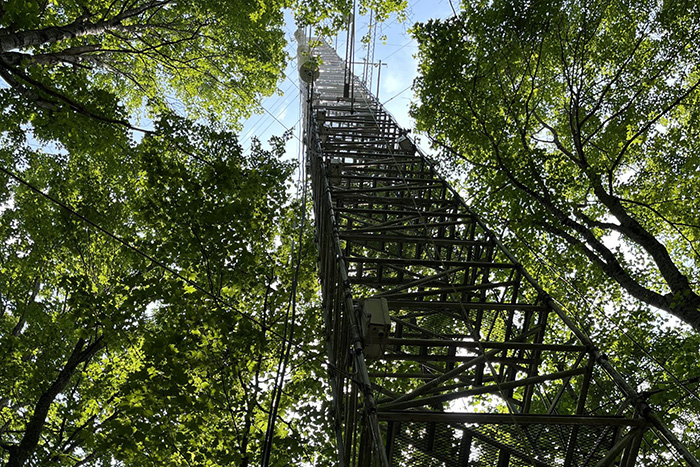
A new instrument for measuring aerosols on a long-term basis has recently been installed at NOAA’s Air Resources Laboratory in Oak Ridge, Tennessee. The information from the sensor could lead to more accurate weather and air quality forecasts.

The NOAA Aircraft Operations Center (AOC) will be expanded under the terms of a new 20-year lease NOAA signed today with the City of Lakeland, Florida.
NOAA is investing $4.5 million over the next four years in four projects testing technology to enhance Tropical Pacific Ocean observing, which improves understanding of the El Niño-Southern ...