What are the odds of a stratospheric polar vortex disruption this winter? We take a look at two things that help predict our chances for this extreme event.
Observing & Predicting
Among the changes, the Arctic tundra is now releasing more carbon dioxide to the atmosphere than it stores.
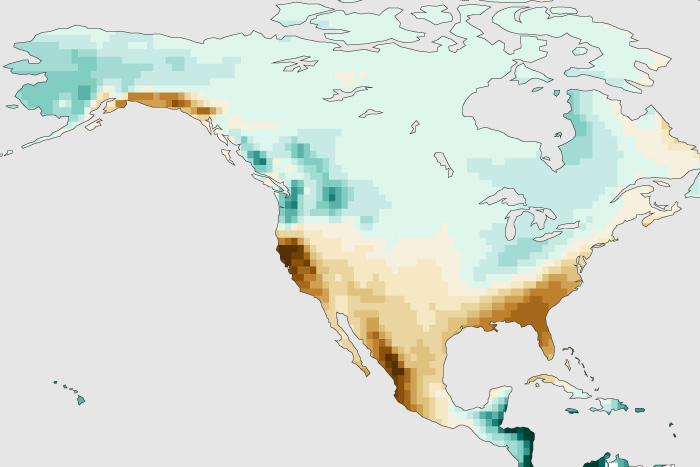
Big things sometimes come in small packages, and our blogger explains why this winter’s expected weak La Niña might have a bigger precipitation impact than usual.
Though many aspects of nature in the Northern Hemisphere tend to quiet down during the winter, the stratospheric polar vortex in the Arctic is just getting started.
Heat-driven drying is playing a larger role than low precipitation in 21st-century Western droughts.
It was the second-warmest October for the globe, and large parts of North and South America were drier than average.
Drought expanded rapidly across the country during October, with near-record warmth and dryness dominating large portions of the Lower 48.
October 2024 is likely to be one of the driest months ever recorded for the country. Will these dry conditions persist into November or will autumn precipitation make a return to portions of the country?
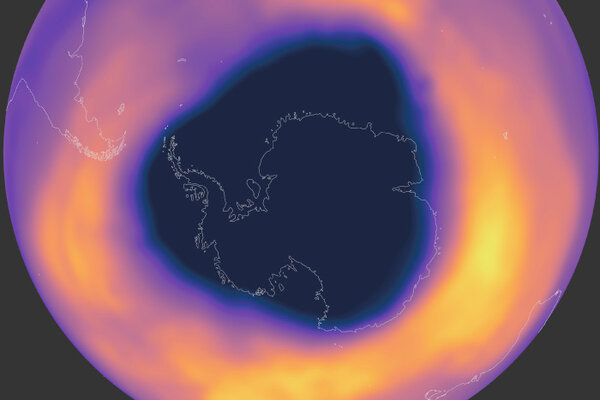
Watch the Antarctic ozone hole develop in 2024
October 30, 2024
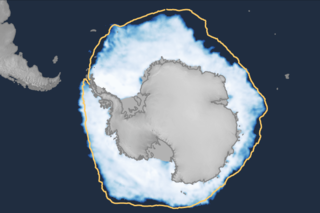
2024 Antarctic sea ice winter maximum second lowest on record
October 8, 2024