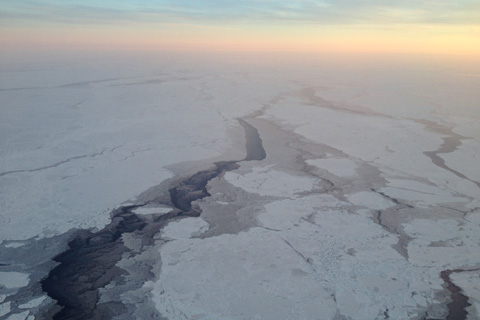
Increasing air and sea surface temperatures, decreasing sea ice extent and Greenland ice sheet mass, and changing behavior of fish and walrus are among key observations released today in the Arctic Report Card 2015.
Increasing air and sea surface temperatures, decreasing sea ice extent and Greenland ice sheet mass, and changing behavior of fish and walrus are among key observations released today in the Arctic Report Card 2015.
The annual State of the Climate reports involve more than 400 international authors from more than 50 countries. Two chapter authors reflect on what it means to play a part in such an ambitious report.
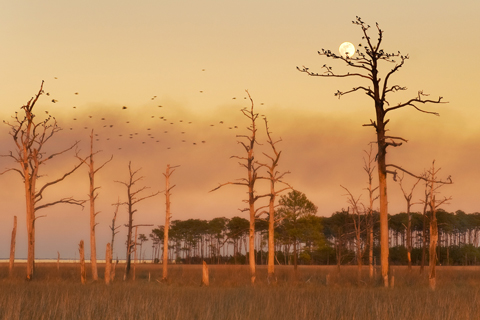
Fish nursery. Bird sanctuary. Storm surge blocker. Maryland’s Blackwater Marsh Wildlife Refuge is all those things and more. And it could be completely underwater by the end of this century. A team of ecologists and climate experts is determined to find and conserve migration corridors for the critical wetland ecosystem.
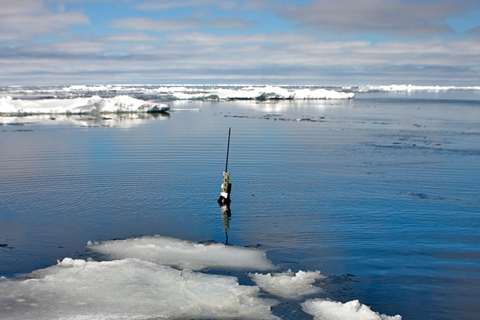
A worldwide network of Argo floats gives scientists an unprecedented understanding of the ocean depths. Argo floats descend and ascend through the top 2,000 meters of the ocean, collecting observations as they move.
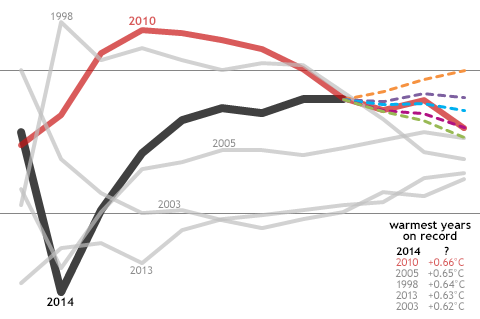
We're nine laps into the race to set a new global annual temperature record. NOAA climate scientist Deke Arndt talks about how this year's race might end--and why yearly rankings tell us less about the big picture of climate change than we might think.
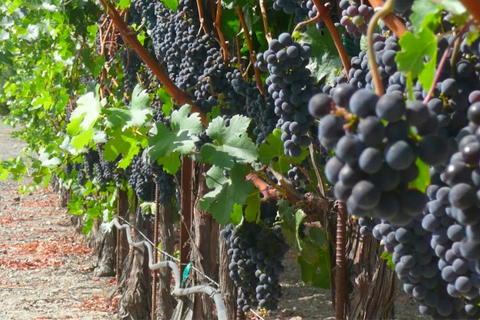
In the midst of a drought in 2008, biologists discovered dead Coho and steelhead trout in a tributary of the Russian River. When the dust settled, the focus turned to how winegrowers and other water users could reduce their impact. The event provided the parties involved—winegrowers, conservationists, and the water agency—an opportunity to find common ground in the realm of science.
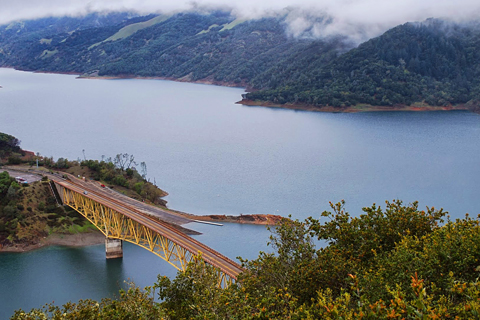
Federal law may protect the river habitat in the name of endangered fish, but on land, grapevines are king. This article is the first in a two-part series about how scientists are helping find compromise amid local tensions over water supplies.
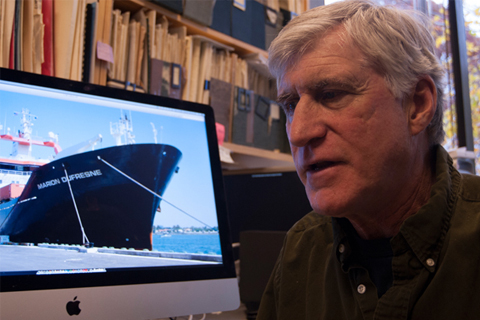
In October 2003, a little-known think tank in the Department of Defense quietly released a report warning that climate change could happen so suddenly it could pose a major threat to our country's national security. Why was the Pentagon worried about abrupt climate change? Because new evidence from Greenland showed it had happened before.
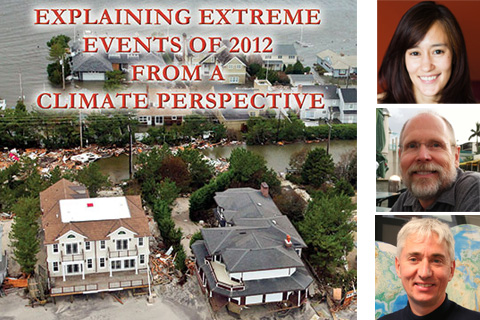
Last month, three NOAA scientists and a colleague from the United Kingdom Met Office were surprised to learn they'd be rubbing shoulders with leading international thinkers on Foreign Policy magazine's annual list of "Top 100 Global Thinkers."
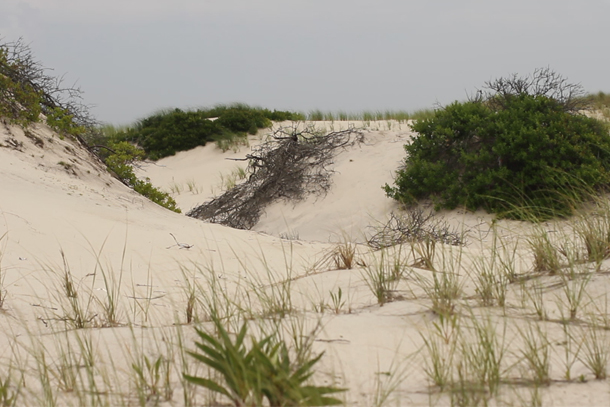
At various locations on New Jersey's Barnegat Bay Island, Norb Psuty talks with Climate.gov about how humans' desire for permanence on barrier islands is at odds with natural processes. But preserving or restoring key dune and beach features can help communities weather some storms.