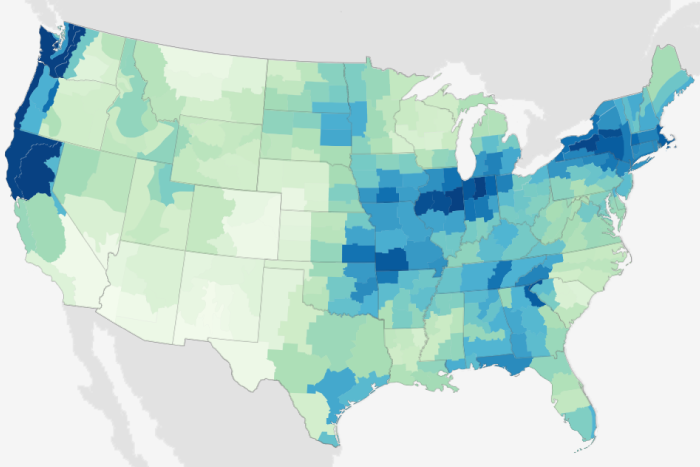
Atmospheric rivers and a powerful Nor'easter brought significant precipitation to the U.S. in October. East of the Rockies, most of the country was warmer than average.
Atmospheric rivers and a powerful Nor'easter brought significant precipitation to the U.S. in October. East of the Rockies, most of the country was warmer than average.
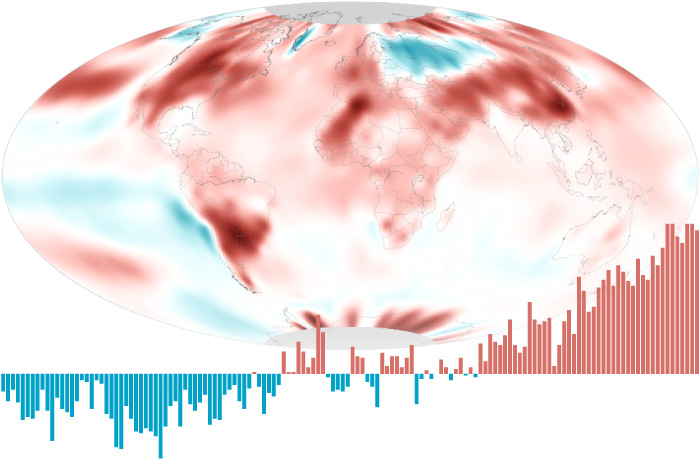
It was the fifth-warmest September on record, and the East Asian summer monsoon was especially wet.
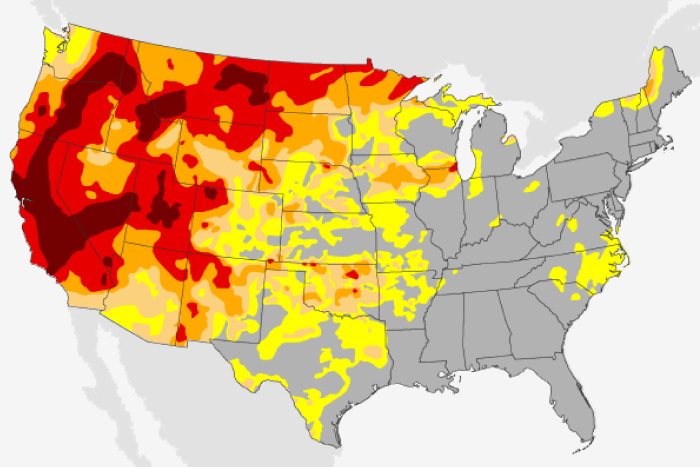
Warmth was widespread across the contiguous United States, while precipitation was a patchwork, with most of the drier-than-average regions in the already-parched West.
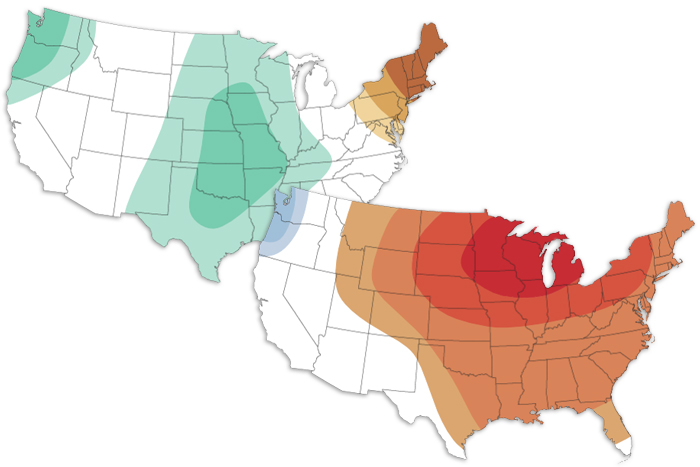
The October 2021 climate outlook favors a warmer-than-average month for the central and eastern United States and wetter-than-average conditions for the Plains.
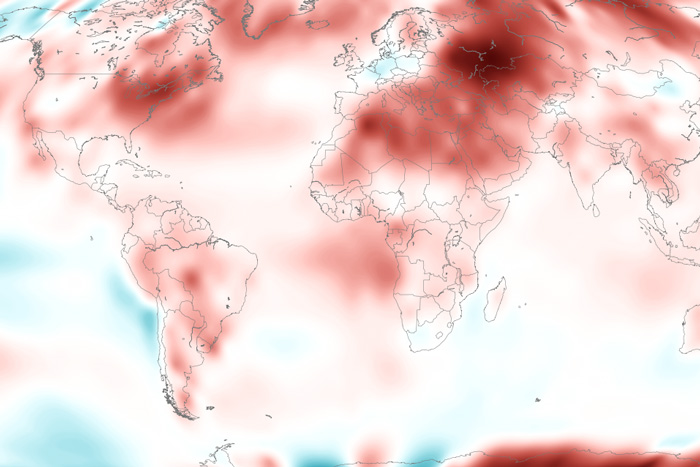
It was the sixth-warmest August on record for the globe. It's very likely that the year will wind up among the 10 warmest years on record.
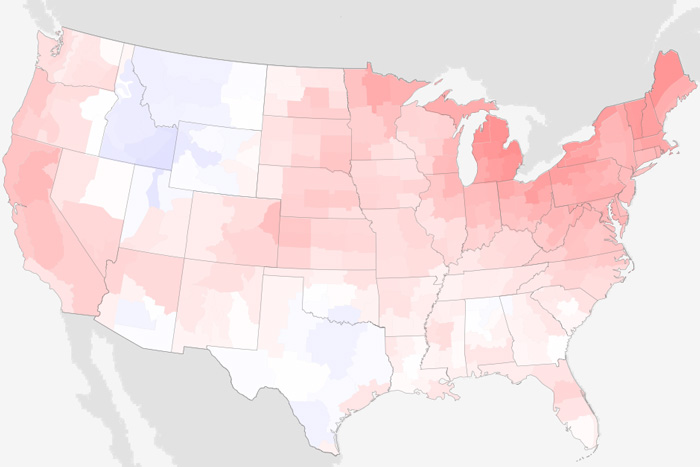
August was warmer than average, capping off a summer that tied for warmest on record.
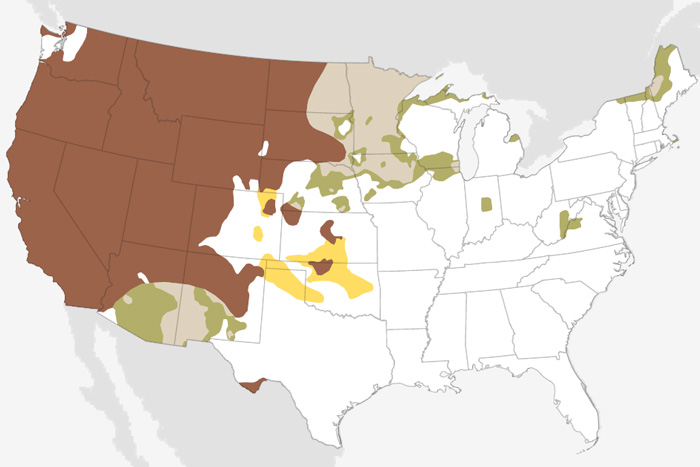
Large parts of the country show no tip in the odds toward either a cold or warm September temperature outcome. The rainfall associated with Hurricane Ida's remnants is likely to be enough on its own to lead to a wetter-than-average September for areas in its path.
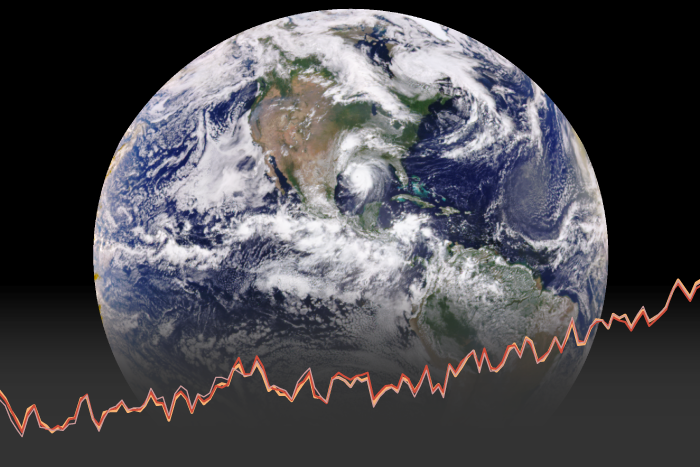
International report confirms 2020 was among three warmest years on record.
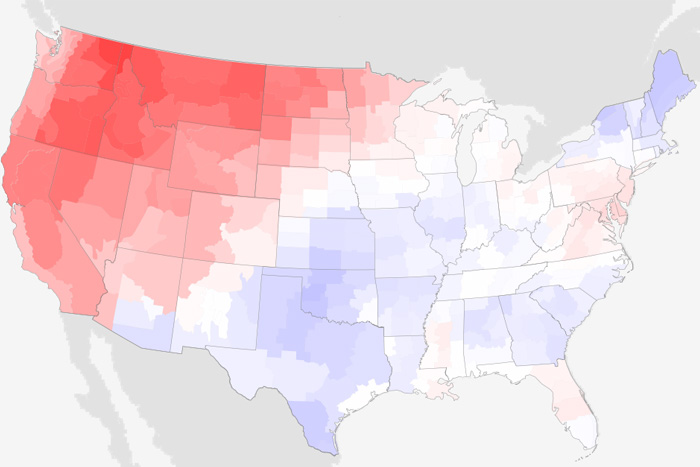
Stories of drought, extreme heat, and fires dominated the weather headlines for the West in July. The central and eastern U.S. were wet and relatively cool.
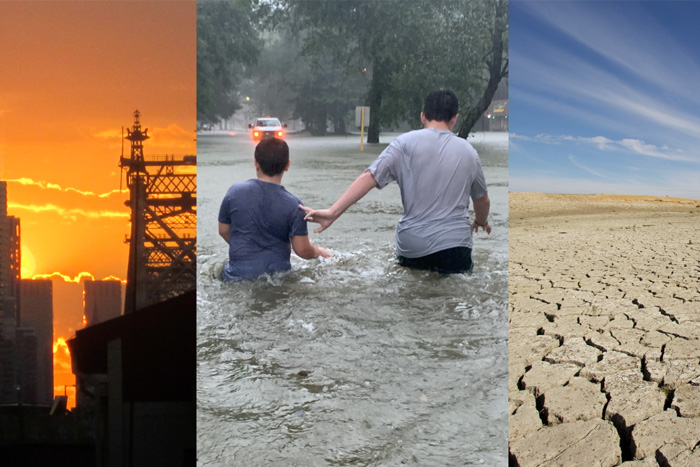
The findings of their review of more than 14,000 studies are clear: climate change is affecting nearly every part of the planet, and there is no doubt that human activities are the cause.