
Record-warm temperatures over land combined with a sixth-warmest June for the oceans to make June 2021 the fifth-warmest June since records began in 1880.
Record-warm temperatures over land combined with a sixth-warmest June for the oceans to make June 2021 the fifth-warmest June since records began in 1880.
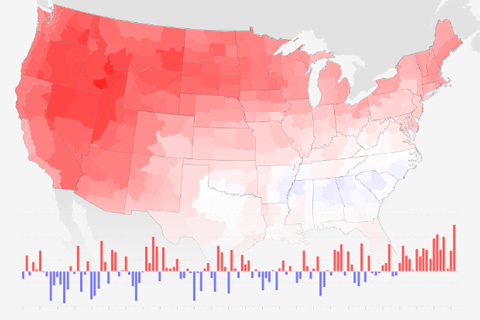
June precipitation was average across the country, a balancing out of dryness in the West and wetness in the Lower Mississippi, Eastern Seaboard, and Great Lakes.
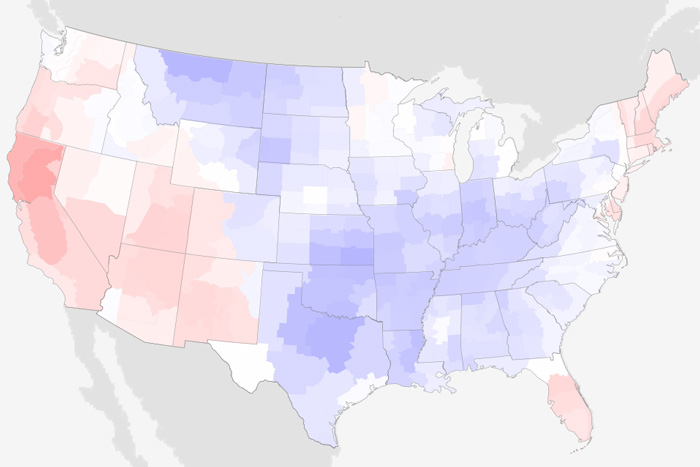
May 2021 was mild across much of the contiguous U.S., with dry conditions widespread across the West, the Northern Plains, the Ohio Valley, and the Mid-Atlantic.
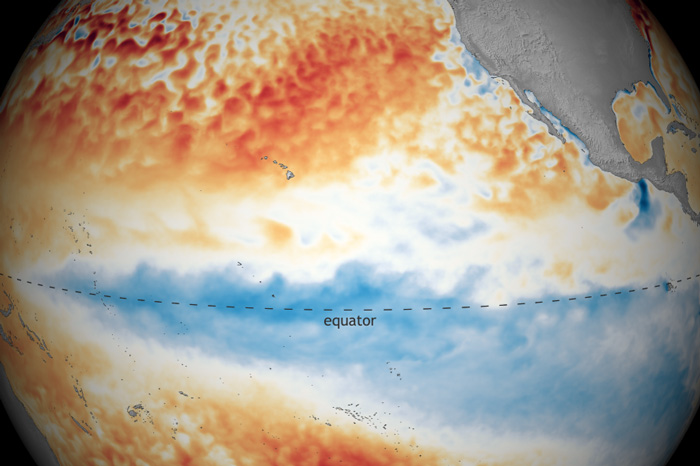
On June 3, 2021, our ENSO Bloggers did a Tweet Chat to talk all things El Niño and La Niña. Here's the transcript.
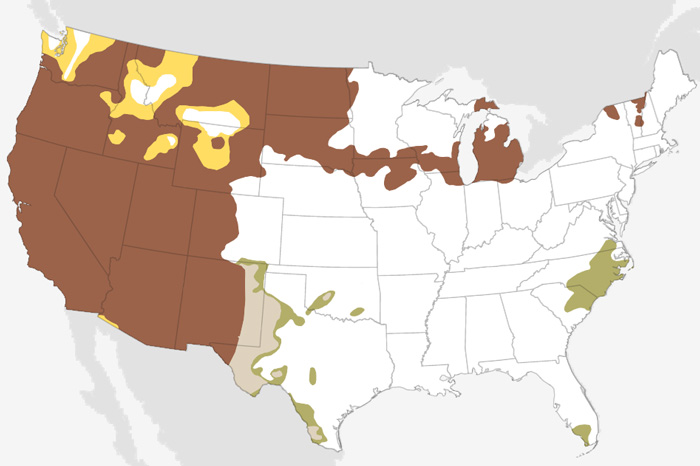
The highest chances for much warmer than average conditions are in the Great Basin and the Mid-Atlantic/Northeast.
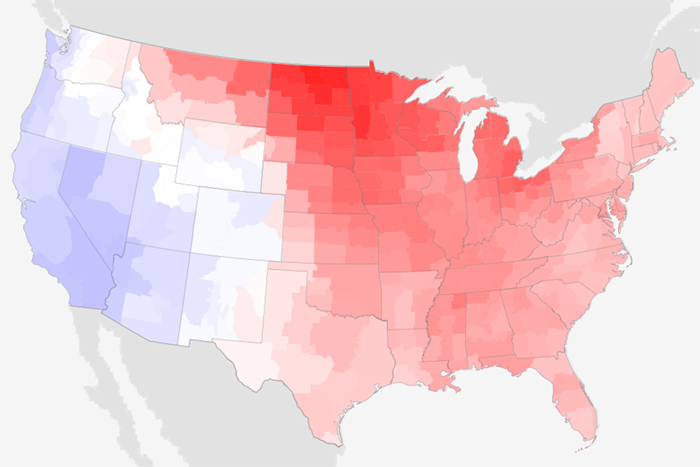
The May 2021 outlook favors warmth for the southern half of the country and a wet East-dry West split.
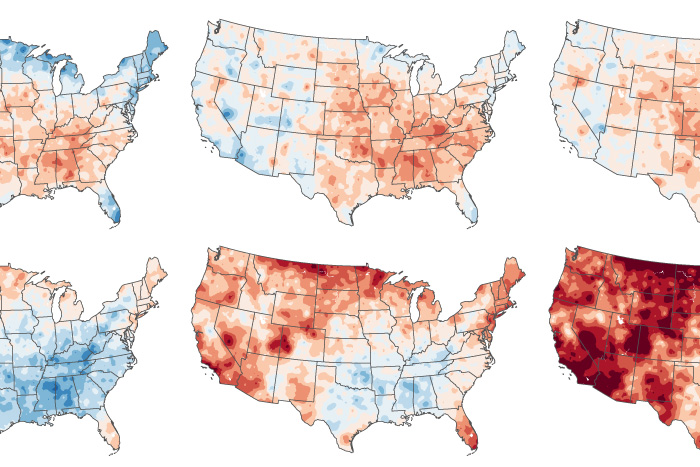
Every ten years, NOAA releases an analysis of U.S. weather of the past three decades, calculating average values for temperature, rainfall, and other climate conditions that have come to represent the new “normals” of our changing climate.
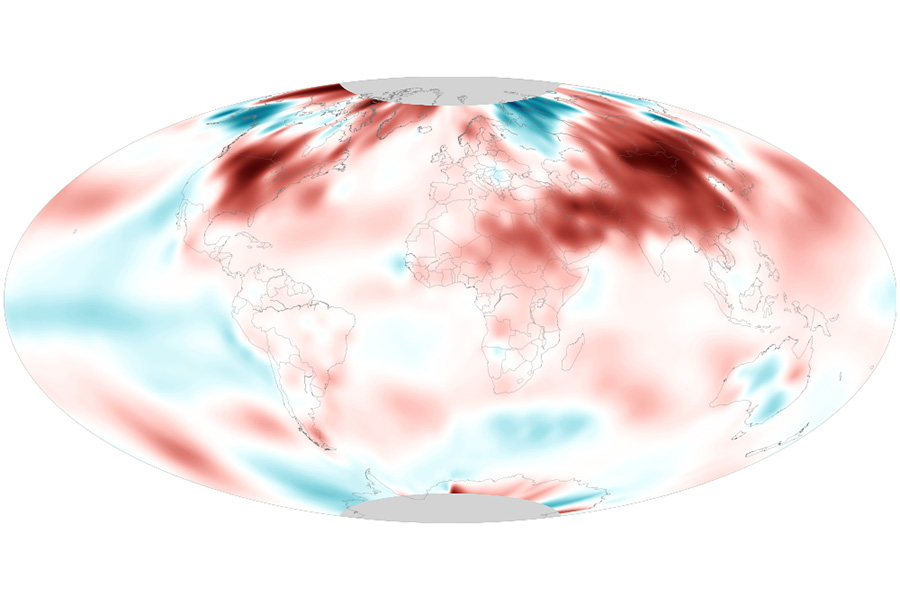
Although this was the smallest warm departure for any March since 2014, it was still the eighth-warmest March for the planet in the 142-year record.
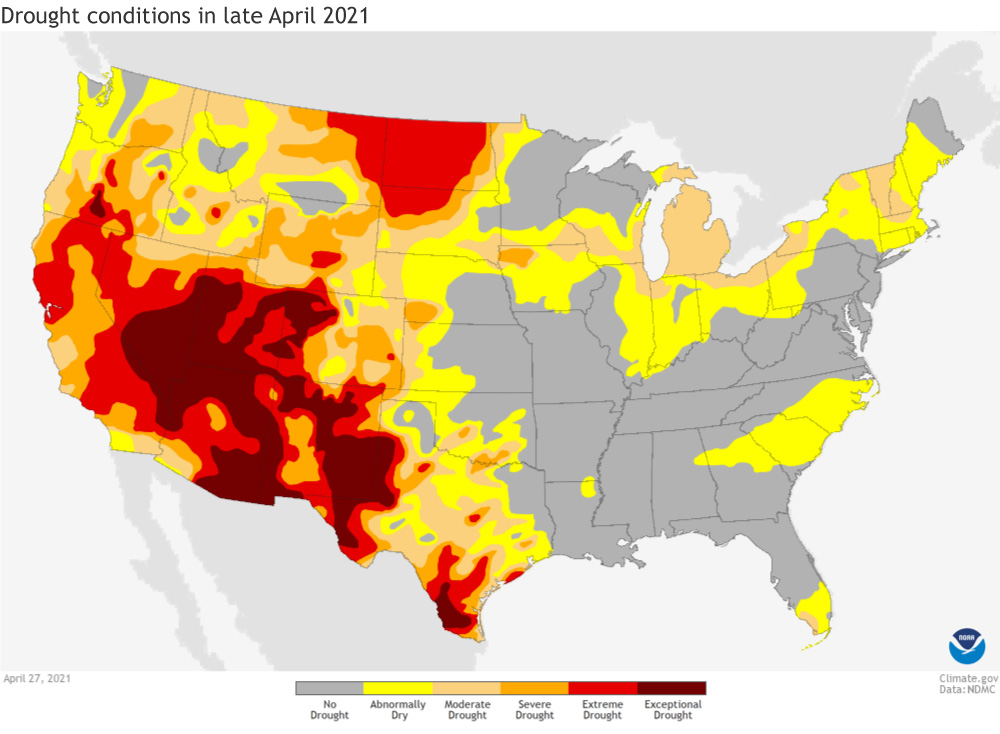
A wetter-than-average March moderated drought in parts of the Central Plains, but severe to exceptional drought remained widespread in the West.
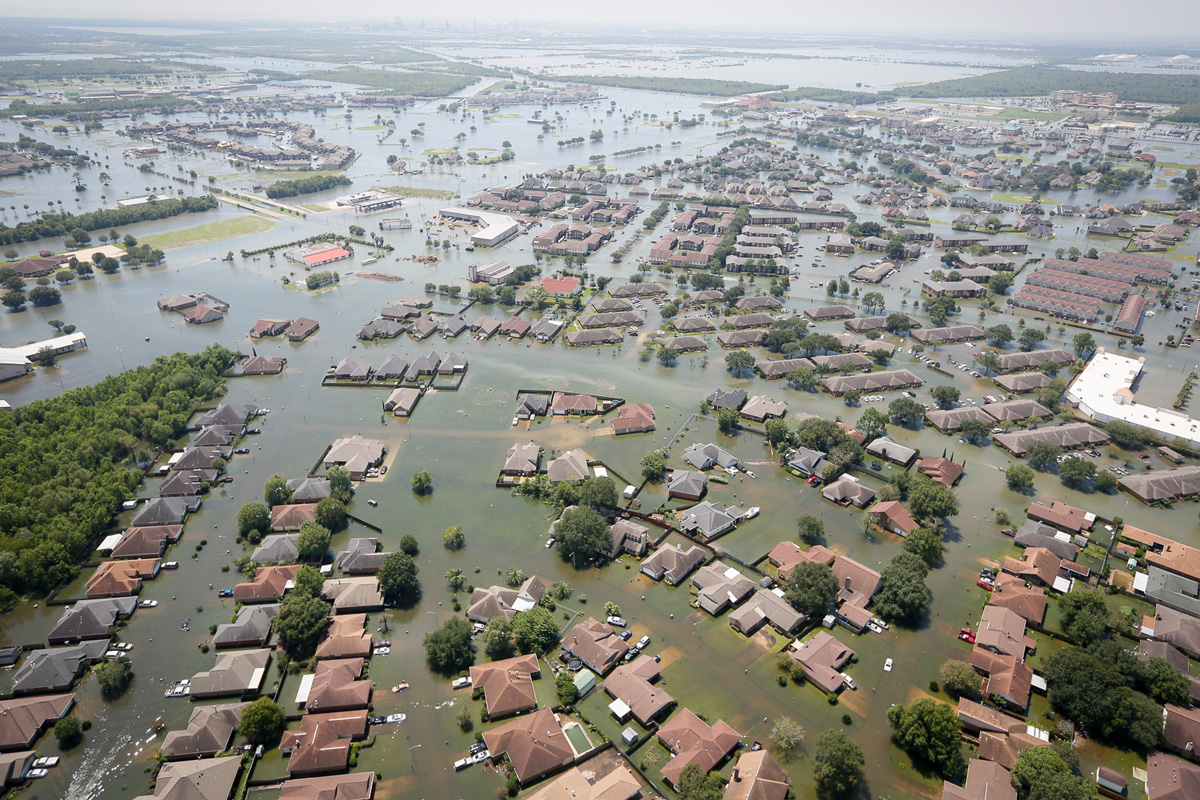
A panel of hurricane experts reviewed more than 90 research studies on the observed and projected changes in tropical cyclones for an updated summary of what the science says about the human influence on these devastating storms.