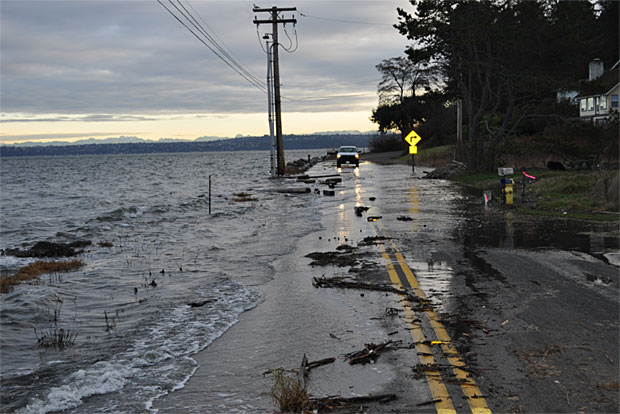
A Q & A about the science of detecting the influence of global warming on hurricanes, fires, and other extreme events.
A Q & A about the science of detecting the influence of global warming on hurricanes, fires, and other extreme events.
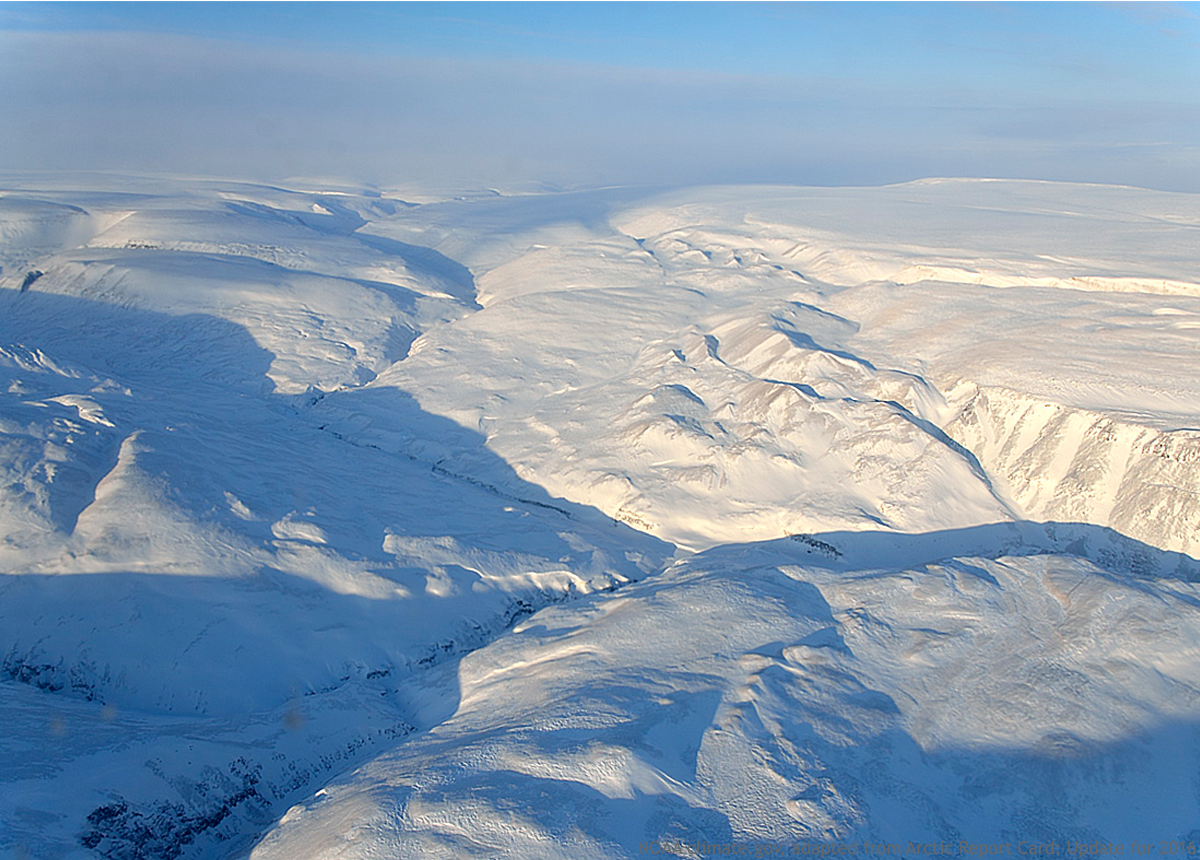
A new NOAA-sponsored report shows that unprecedented warming air temperature in 2016 triggered massive declines in sea ice and snow cover across the Arctic, and brought a record-breaking delay to fall sea ice freeze up. Learn more through our image highlights of the 2016 Arctic Report Card.
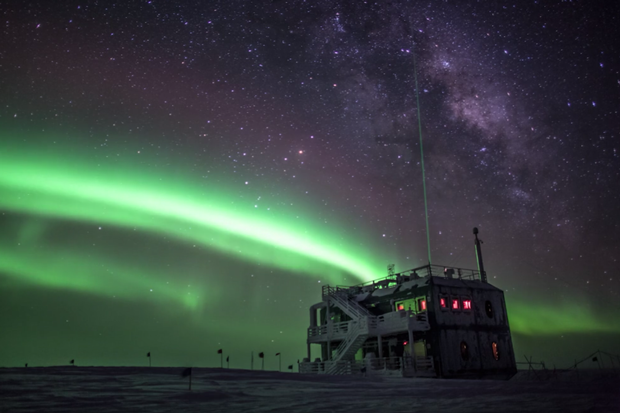
The ozone hole didn't cause global warming, but climate and the ozone hole are related in other ways.
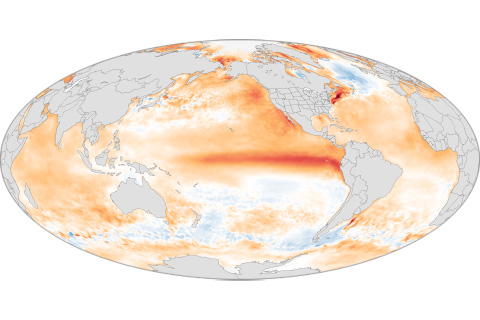
A record-smashing hurricane season in the central North Pacific. Water rationing in Puerto Rico. The biggest one-year jump in atmospheric carbon dioxide concentrations. These and more of 2015's extreme events had one thing in common: El Niño.
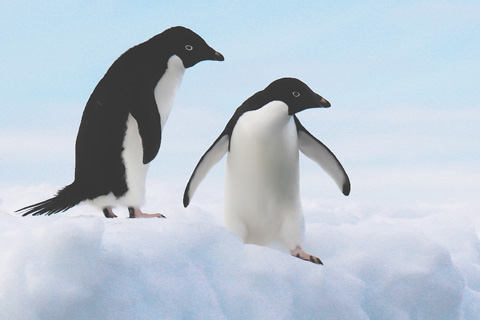
In the 2015 edition of the State of the Climate report, climate and biology experts wrote about some dramatic impacts of warming on life in the ocean.
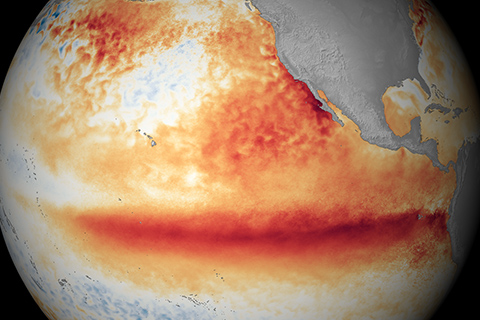
Answers to some of the questions that readers frequently ask NOAA experts about El Niño and La Niña.
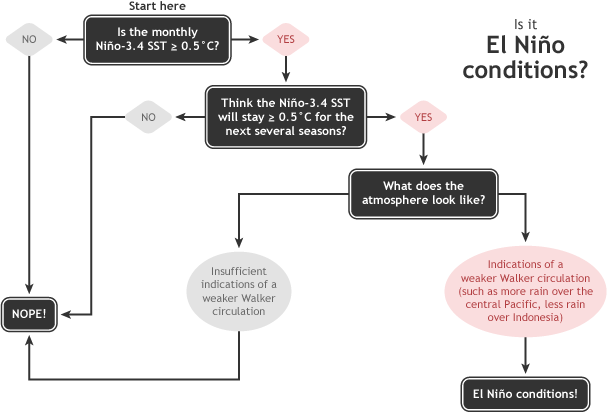
NOAA's Climate Prediction Center monitors and issues outlooks for El Niño and La Niña using a 2-category (watch/advisory) alert system.
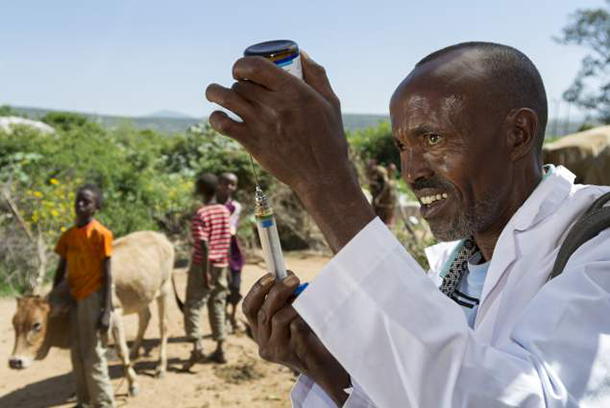
With this year's ongoing El Niño event, parts of East Africa may be ripe for a potential outbreak of Rift Valley Fever. See how government agencies are using climate data to help predict, and hopefully prevent, an outbreak of this deadly mosquito-borne virus that affects both people and valuable livestock.
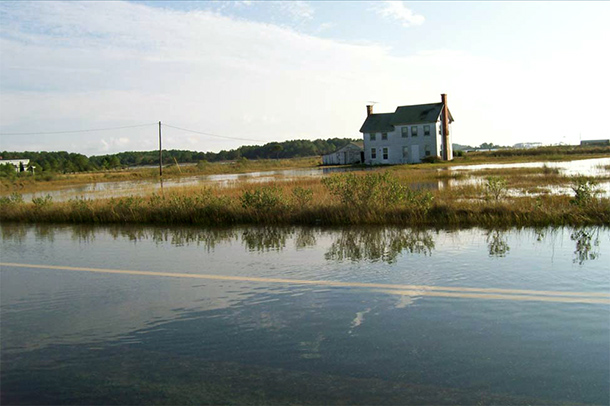
High-tide "nuisance flooding" has increased between 300 and 925 percent since the 1960s as a result of sea level rise. In this Q&A, Billy Sweet and John Marra explain the changes and offer projections for the remainder of the 2015-16 monitoring year.
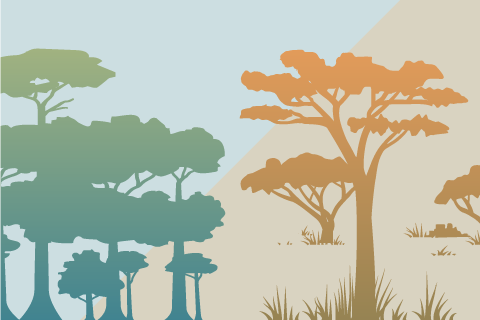
Plants on land have helped slow global warming by capturing nearly a quarter of the carbon dioxide that human activities release in an average year. But where is it all going?