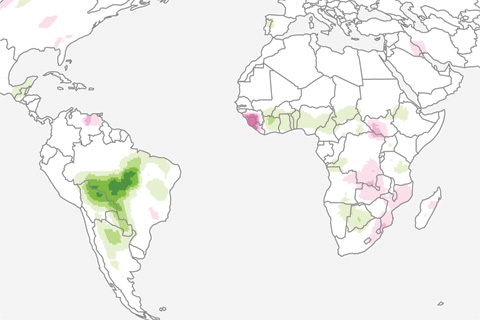
Globally, carbon emissions from fires were near the long-term average in 2014, but North America's emissions were 70% higher than average.
Globally, carbon emissions from fires were near the long-term average in 2014, but North America's emissions were 70% higher than average.
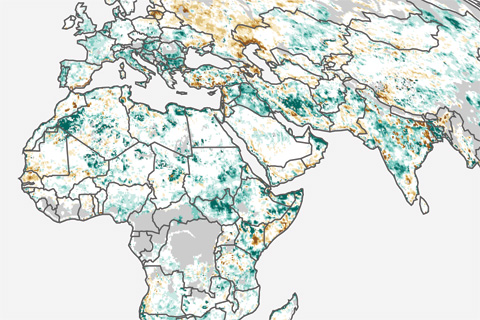
While slightly wetter than 2013, the global average soil moisture in 2014 was near-normal.
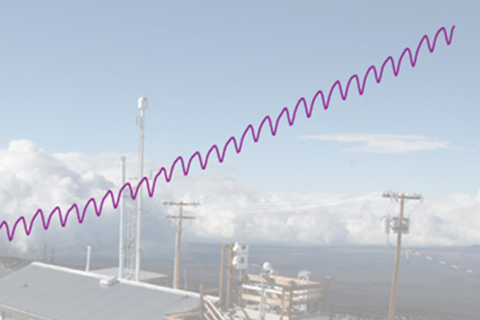
Scientists estimated global average carbon dioxide concentration at 397.2 parts per million (ppm) in 2014, as the global growth rate of carbon dioxide continues to accelerate.
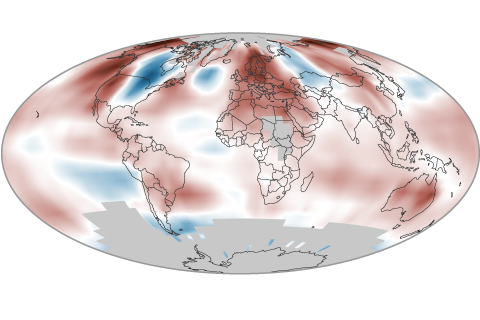
Depending on the data set, 2014 was either the warmest or tied-for-warmest year since records began in the mid-to-late 1800s.
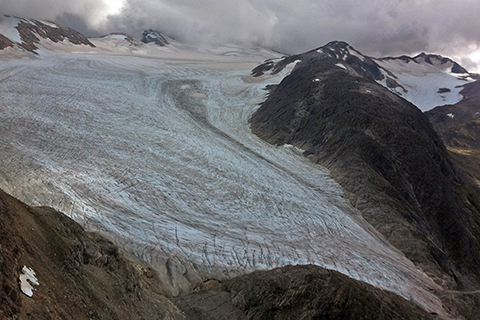
Worldwide in 2014, three dozen reference glaciers experienced an average mass loss equivalent to of 853 millimeters of water equivalent in 2014.
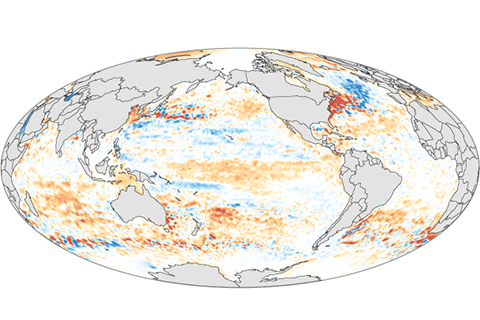
In 2014, the upper ocean held more heat than average throughout most of the major ocean basins.
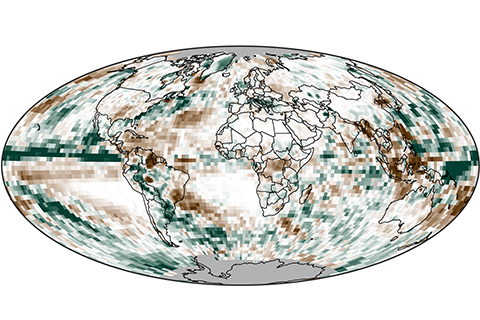
In 2014, precipitation over land was generally below average, while precipitation over the oceans was above average.
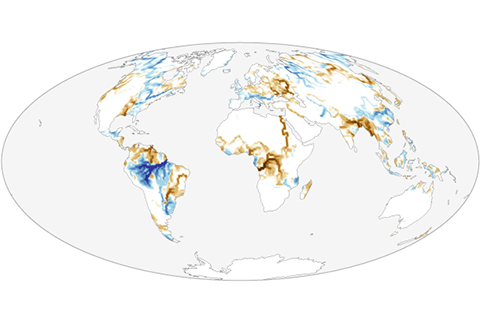
Overall, average global river outflow in 2014 slightly exceeded the climate normal.
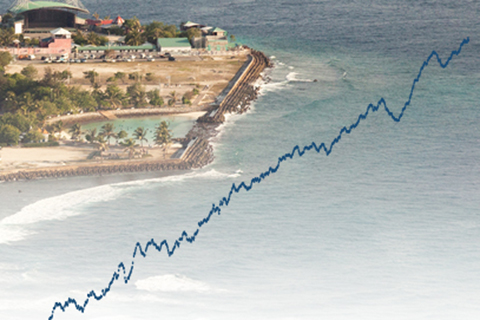
In 2014, global average sea level was 2.6 inches (67 mm) above the 1993 average, which is the highest yearly average in the satellite record.
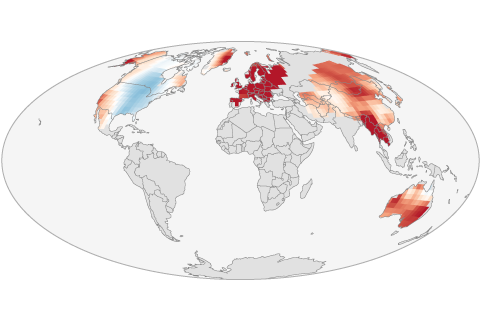
Cool conditions prevailed across large parts of the North America in 2014. Everywhere else, the frequency of warm days was higher than average, and the frequency of cold nights was below average.