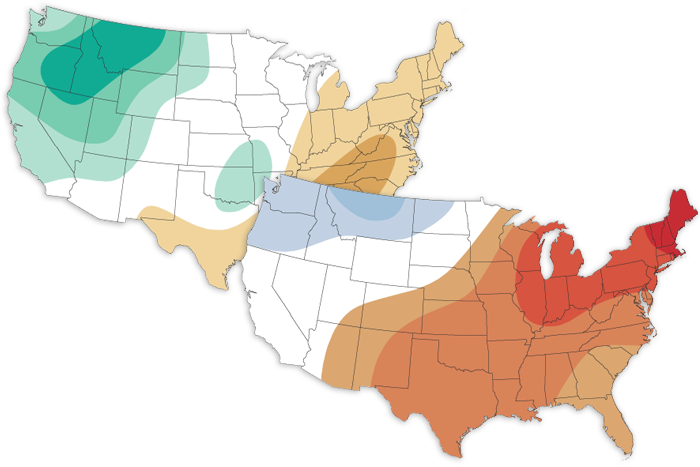
The November 2022 climate outlook favors a warmer- and drier-than-average month for the eastern United States and a cooler- and wetter-than-average month for the Northwest.
The November 2022 climate outlook favors a warmer- and drier-than-average month for the eastern United States and a cooler- and wetter-than-average month for the Northwest.
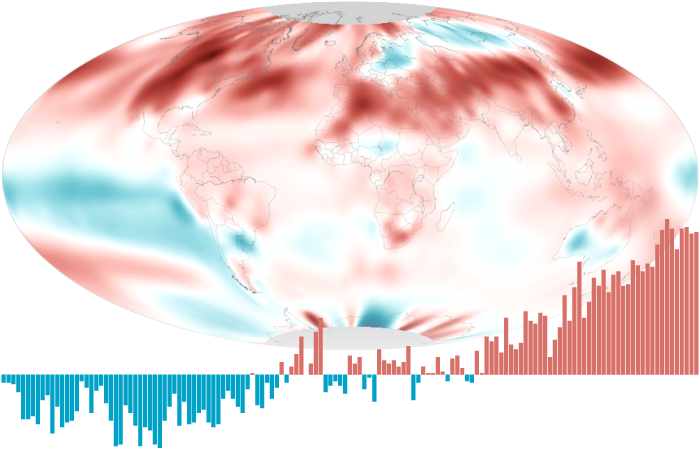
The month tied for fifth-warmest September on average for the globe. North America was record warm, while La Niña continued to chill the tropical Pacific.
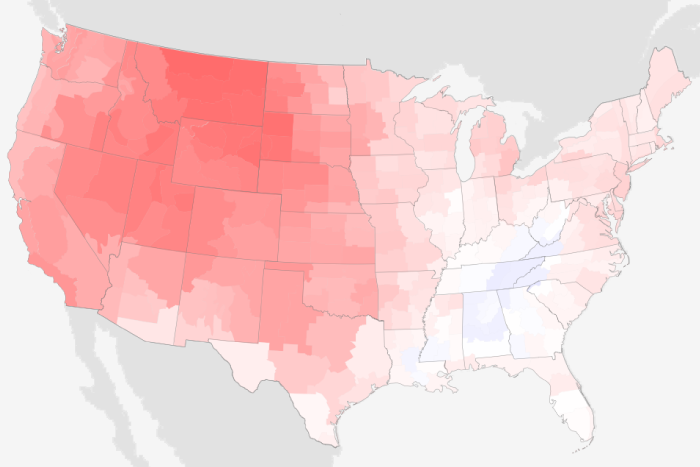
Fifth-warmest September on record; heatwave brought record temperatures to the West.
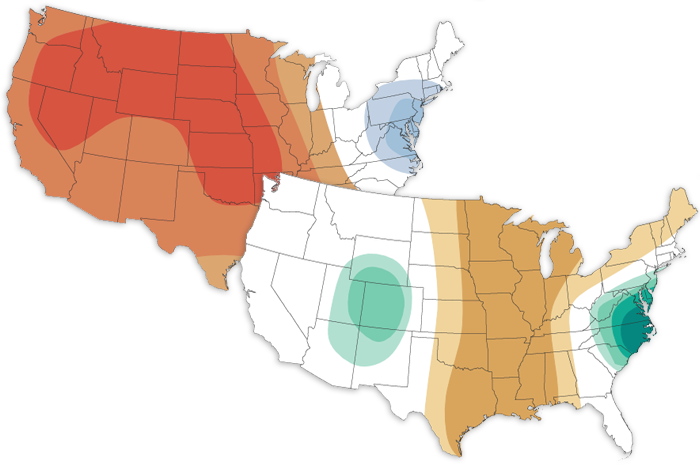
It's October. So in addition to talk of ghouls and goblins, we must chat about the October 2022 climate outlook. The outlook favors a hotter-than-average month for the western and central United States, and a colder- and wetter-than-average month for the Mid-Atlantic.
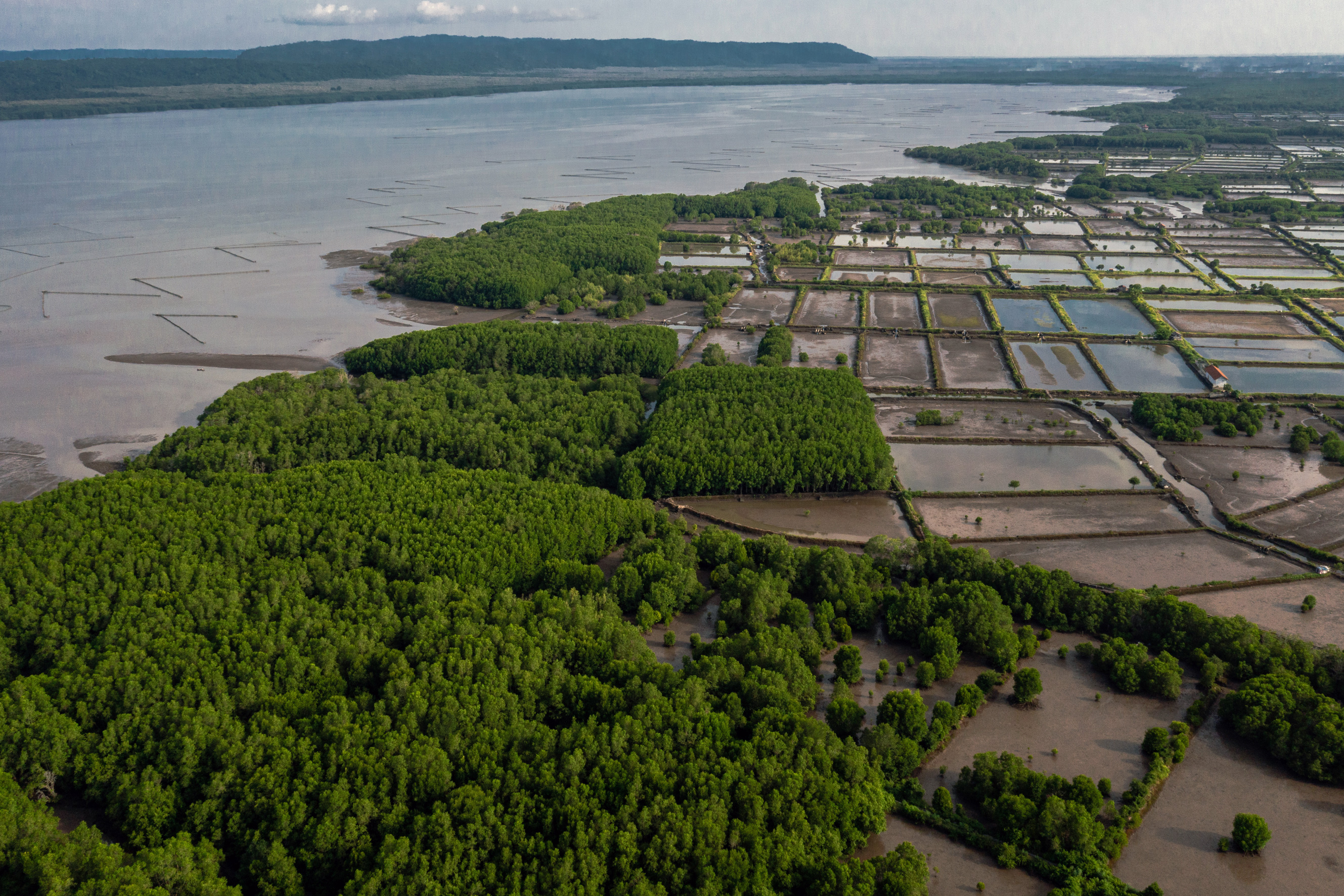
Blue-carbon ecosystems have a small global footprint, but they can bury many times more carbon per acre than even a tropical rainforest.
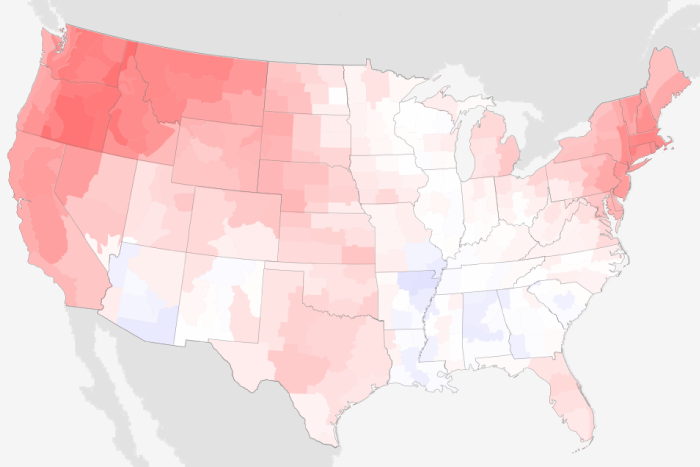
August 2022 drew to a close the third-warmest summer on record for the contiguous United States.
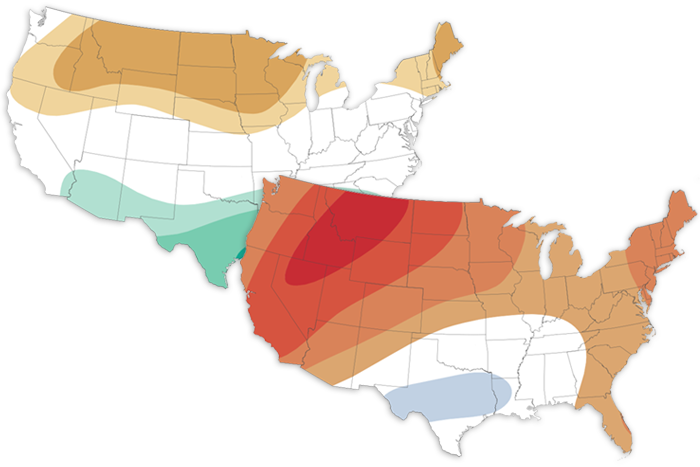
The September 2022 climate outlook favors a warmer-than-average month for most of the contiguous United States along with a dry/wet split between the northern and southern tiers of the U.S.

Global surface temperature was among the 6 warmest years on record, despite a "double-dip" La Niña event that chilled the Pacific much of the year.
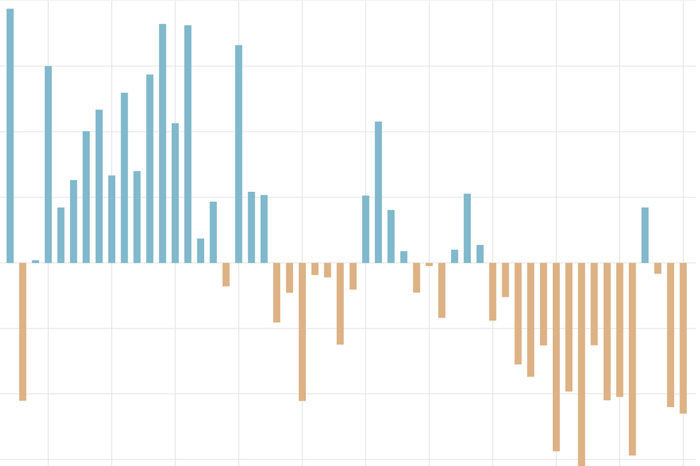
For the eighth year in a row, late spring snow cover was below average in 2025.
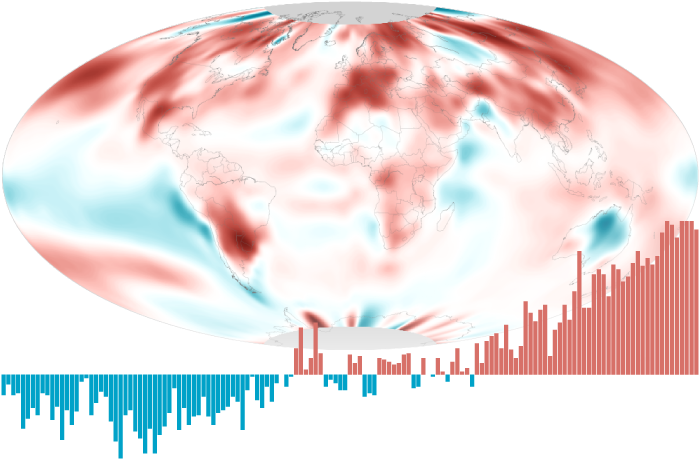
Earth had its sixth-warmest July on record, with extreme dryness over Europe, the U.S. West, western Australia, and central South America, and extreme wetness over eastern Australia, east-central Africa, and parts of the Middle East.