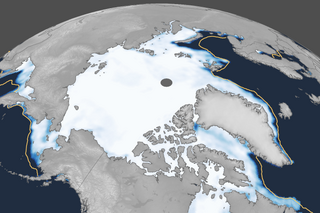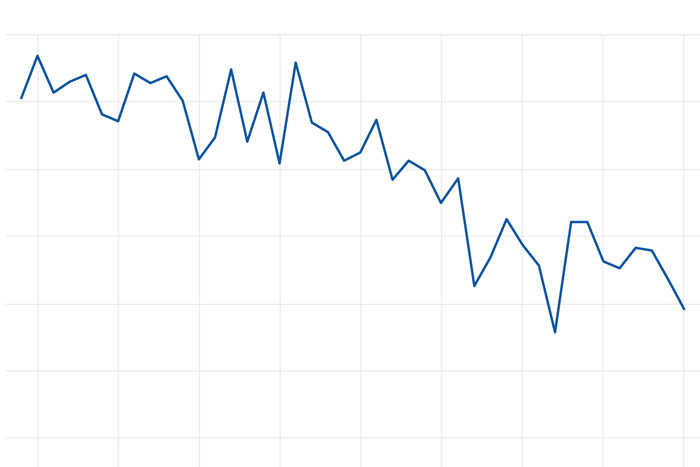
The amount of sea ice that survives the Arctic summer has declined by 12 percent per decade since the start of the satellite record in 1979.
The amount of sea ice that survives the Arctic summer has declined by 12 percent per decade since the start of the satellite record in 1979.
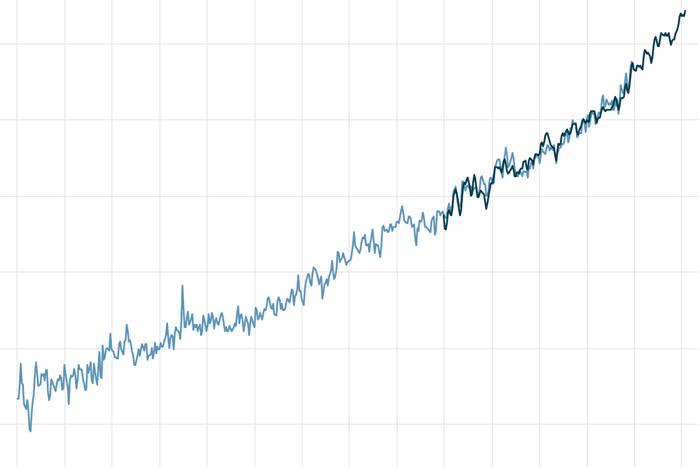
Global average sea level has risen at least 8-9 inches since 1880, and the rate is accelerating thanks to glacier and ice sheet melt.
On July 19, Lake Powell was just 22% full—the lowest it's been on that date since the lake was first filled to capacity in the early 1980s. This graph of Lake Powell water levels shows that while there is a natural peak most summers followed by a low in the spring, there has been an overall downward trend since around 2000.
International report confirms record-high greenhouse gases, global sea level, and ocean heat in 2025.
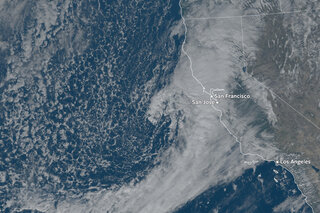
January 15, 2026
The U.S. tornado season to date has been very active. Our guest blogger explains how the lingering influence of La Niña might have played a role.
Wildfire smoke can cause air pollution in locations thousands of miles downwind. Health experts need to know what's in the smoke people are breathing—especially smoke from fires that burn into urban areas and ignite synthetic materials.
It’s March Madness, ENSO style! Our blogger discusses why the North American precipitation pattern this past winter looked more like the response to a moderate-strength La Niña than to a weak event.