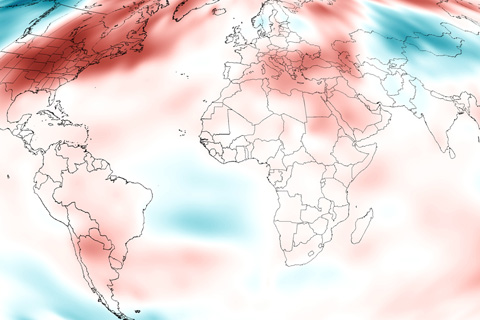
Since 1976, every year has been warmer than the long-term average, and 2012 continued the trend: the global surface temperature ranked among the top 10 warmest years on record.
Since 1976, every year has been warmer than the long-term average, and 2012 continued the trend: the global surface temperature ranked among the top 10 warmest years on record.
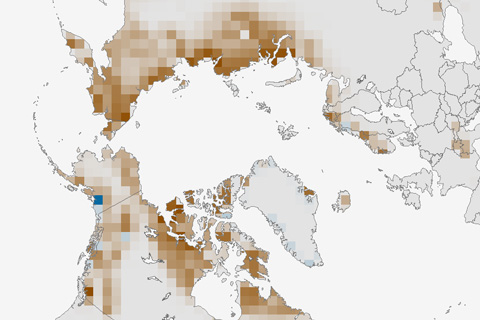
The extent of snow-covered ground in the Northern Hemisphere at the end of the cold season (June) hit a record low. Annual average snow cover extent has not exceeded the long-term average even once since 2003. Between 1979 and 2011, the snow cover in June is declining even faster than the end-of-summer Arctic sea ice extent.
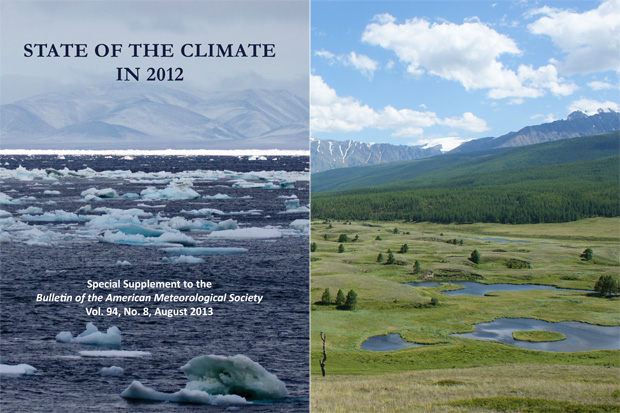
From record-low Arctic sea ice to the highest global sea level of the modern record, the 2012 State of the Climate report provides a complete rundown on the state of Earth's climate and how it is changing.
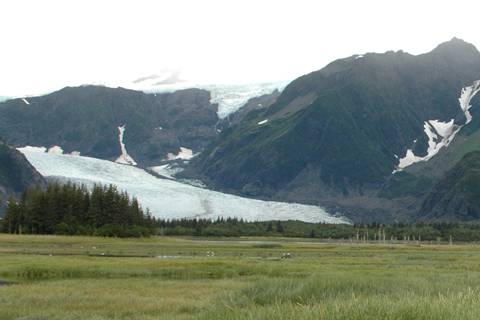
Glacier mass balance in 2011 (the most recent year for which worldwide analysis is complete) was negative, and preliminary data indicate that 2012 will probably be the 22nd consecutive year of net losses in glacier mass. Between 1980 and 2011, glaciers around the world lost the water equivalent of 15.7 meters. That would be like slicing a roughly 17-meter-thick slab off the top of the average glacier and repeating that exercise worldwide.
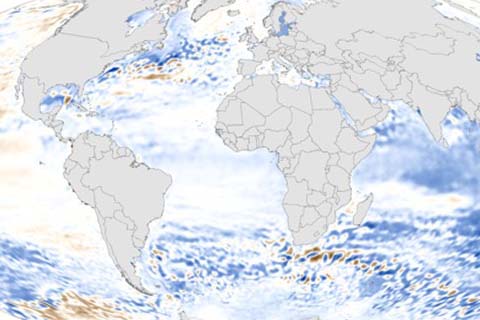
Global average sea level in 2012 was 1.4 inches above the 1993-2010 average, which was the highest yearly average in the satellite record. Sea level has been rising over the past century, and the pace has increased in recent decades.
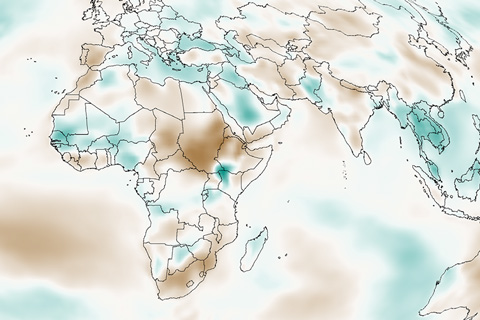
Earth's atmosphere includes billions and billions of gallons of evaporated water: in fact, water vapor is Earth's most abundant greenhouse gas.
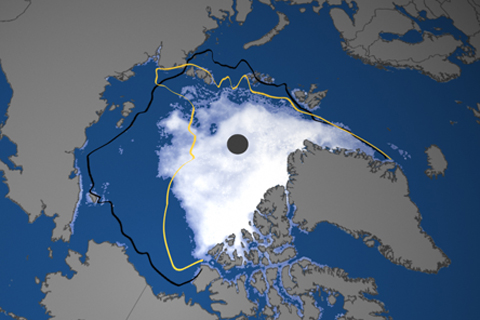
In 2012, sea ice melted to a record-breaking minimum extent. At the end of the summer melt season, ice covered only about half of the average area it did from 1979–2000.
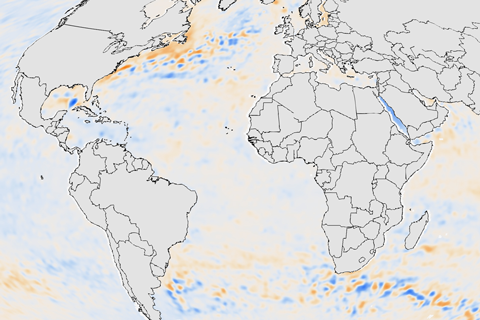
The ocean’s ability to store and release heat over long periods of time gives it a central role in stabilizing Earth’s climate system. But when the ocean absorbs more heat than it releases, its heat content increases. Warming causes water to expand, raising global sea level. Higher water temperatures can also threaten marine ecosystems, disrupting fisheries and the people who depend upon them. The upper ocean held more heat than average in 2012 in most of the major ocean basins, with the exception of the Pacific Ocean.
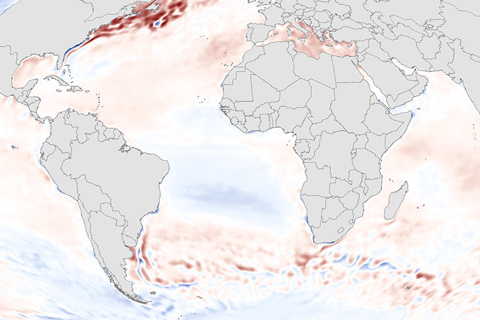
Sea surface temperature—the average temperature of water at the surface of the global ocean—is a key indicator of the ocean's status.
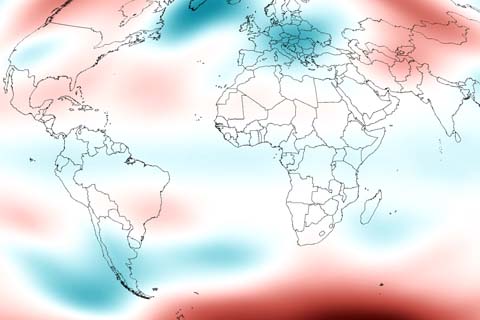
Observing temperature patterns in the lower stratosphere—second major layer of the atmosphere—gives scientists clues about our planet’s changing climate.