
An August photo dump of images that explain NOAA’s September 2026 El Niño forecast.
An August photo dump of images that explain NOAA’s September 2026 El Niño forecast.
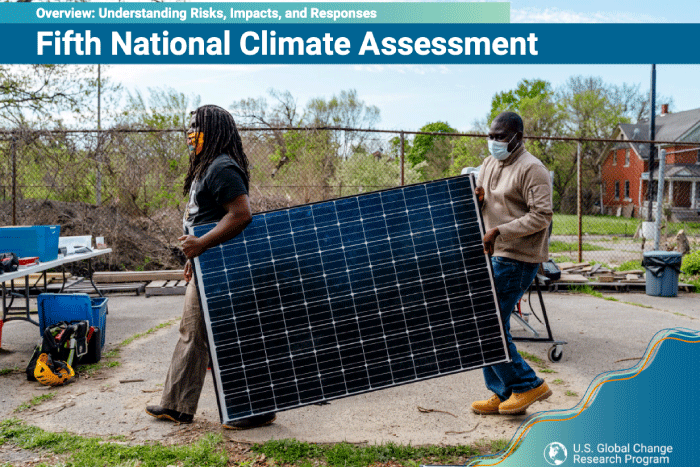
Former executive director of the U.S. Global Change Science Program and several colleagues describe the rigor of the process that produced NCA5 and
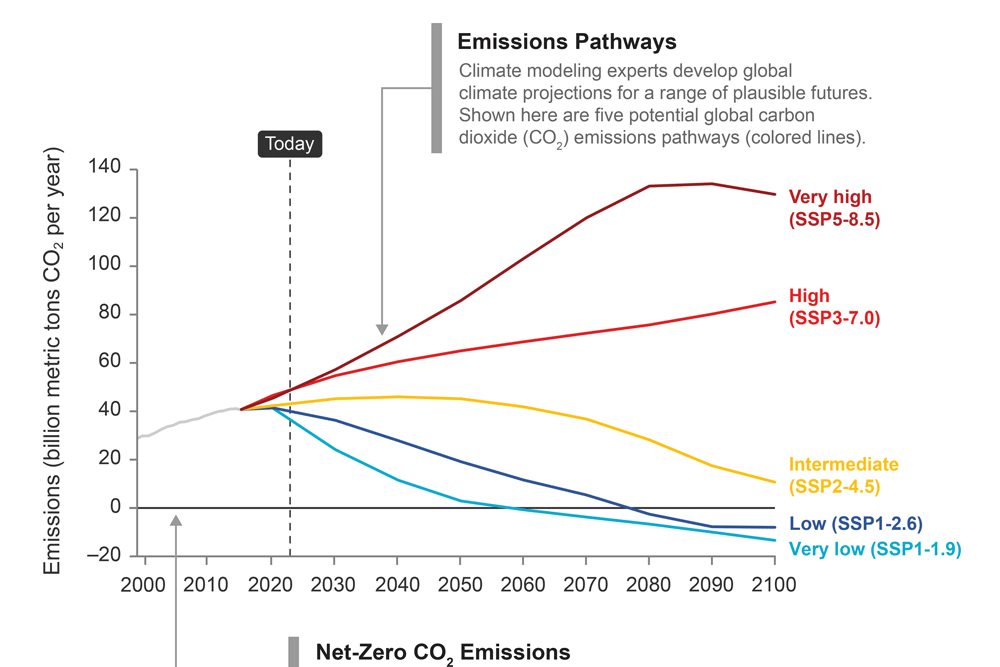
Experts question the need for the proposed amendment, its scientific objectivity, and whether it complies with the strict rules and procedures that are supposed to guide federal government production of “Highly Influential Science Assessments.”
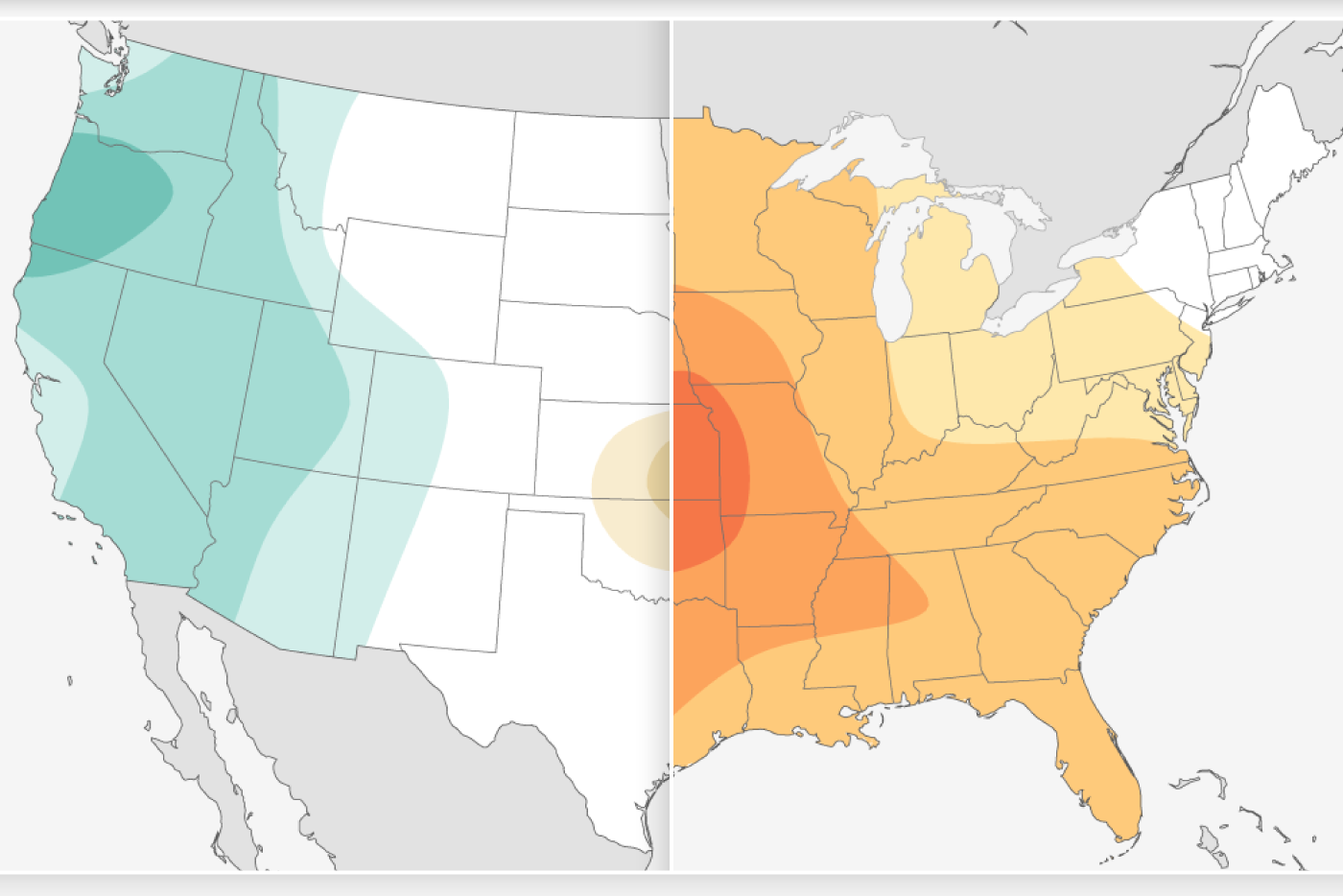
Warmth favored for most of the country, with a little good news for the dry West.
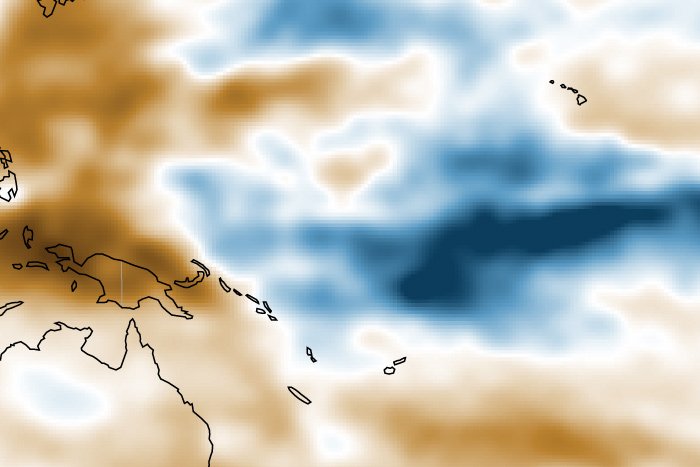
Our current El Niño is not yet the strongest on record, but the atmosphere across the Pacific is already reacting.
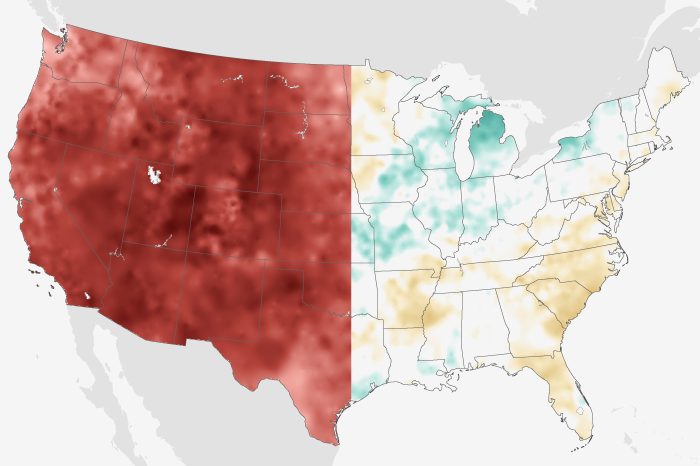
Extreme heat and dryness have dominated the U.S. climate so far this year.
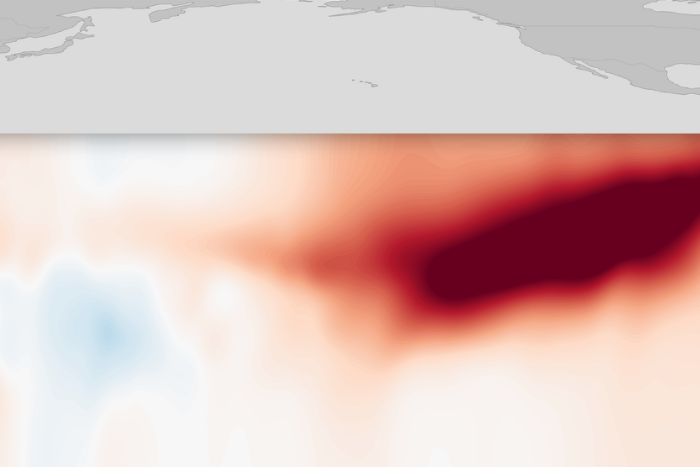
Welcome back to a new era of the ENSO blog.
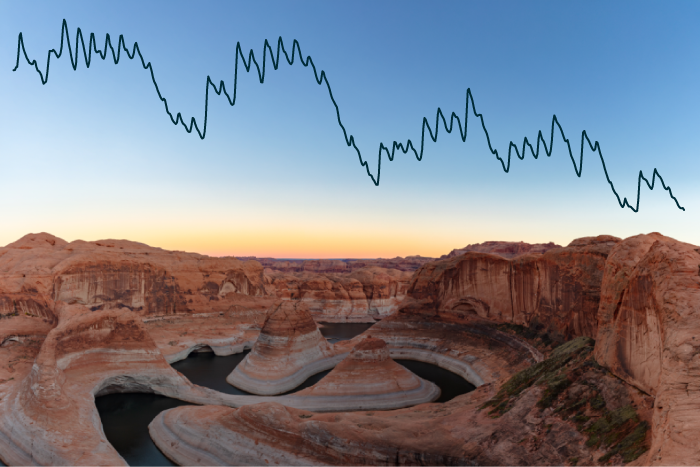
On July 19, Lake Powell was just 22% full—the lowest it's been on that date since the lake was first filled to capacity in the early 1980s. This graph of Lake Powell water levels shows that while there is a natural peak most summers followed by a low in the spring, there has been an overall downward trend since around 2000.
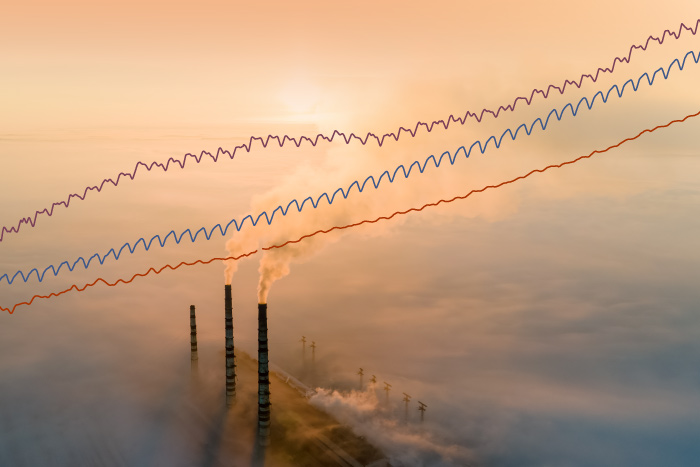
International report confirms record-high greenhouse gases, global sea level, and ocean heat in 2025.
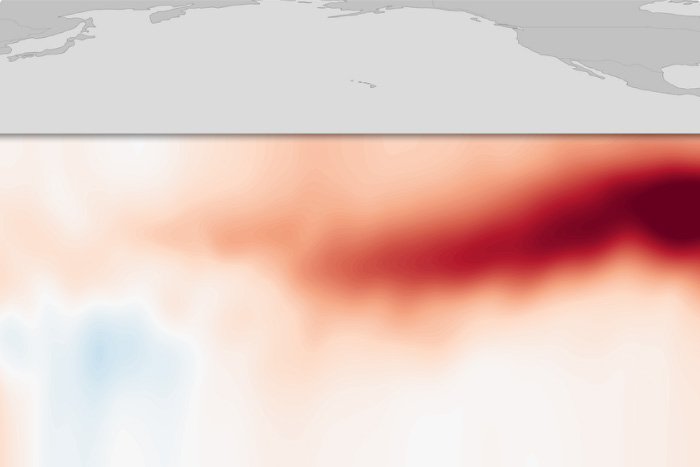
Watch heated water accumulate below the surface of the tropical Pacific as last summer's La Niña gave way to this summer's El Niño.